
Protect and Restore Biodiversity.
Our region is home to hundreds of species at risk of decline or extinction. We work to save and restore endangered, rare, and missing species.
We advance science-based, innovative, collaborative solutions for managing wildlife and biodiversity across the region to address threats like habitat loss, climate change, and disease. We partner with scientists, state and federal wildlife management professionals, policy leaders, and community scientists to advance science-based conservation strategies for our region’s wildlife and ecosystems.
Donate Today
Take Direct Action
Current Projects:
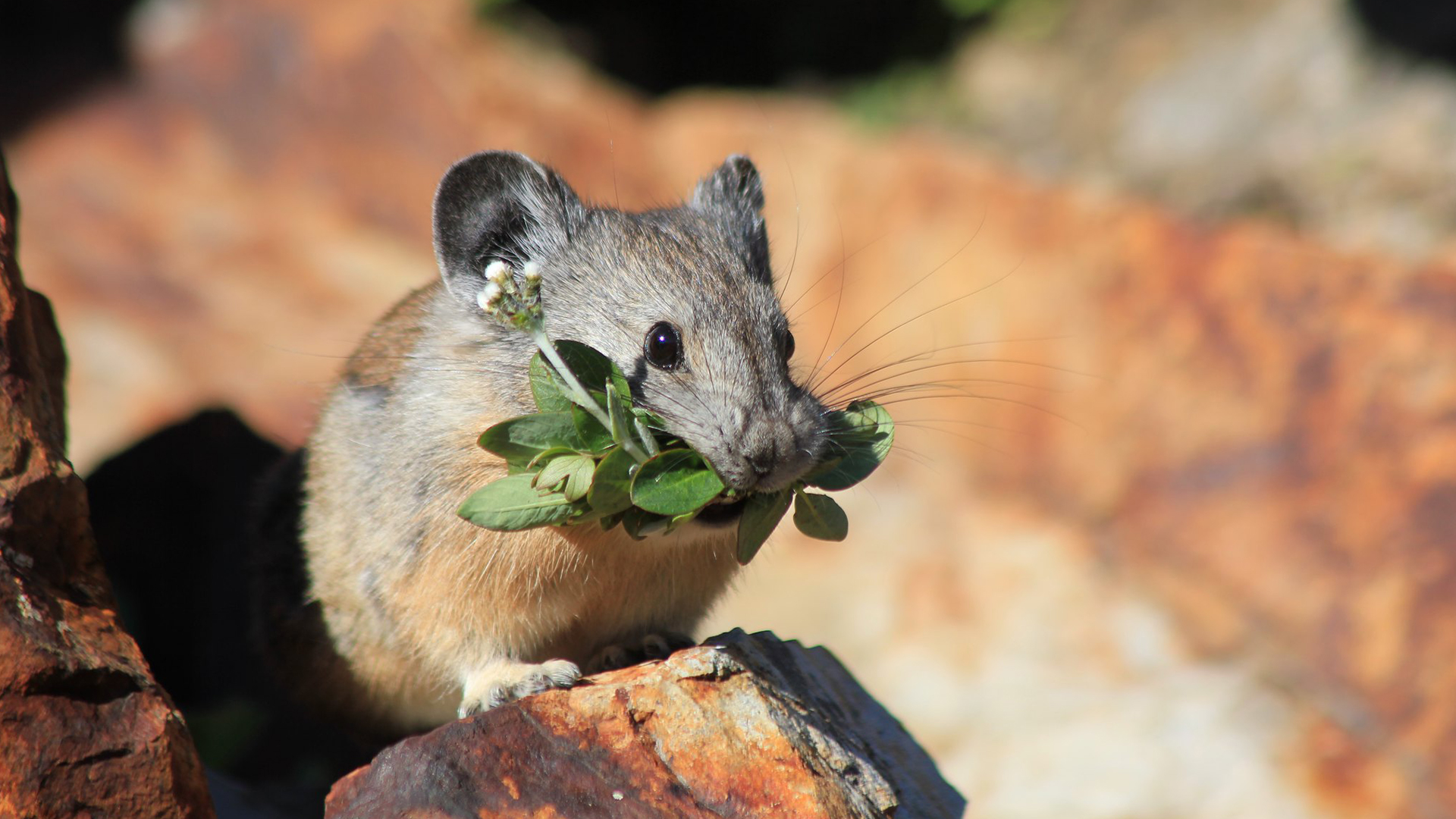
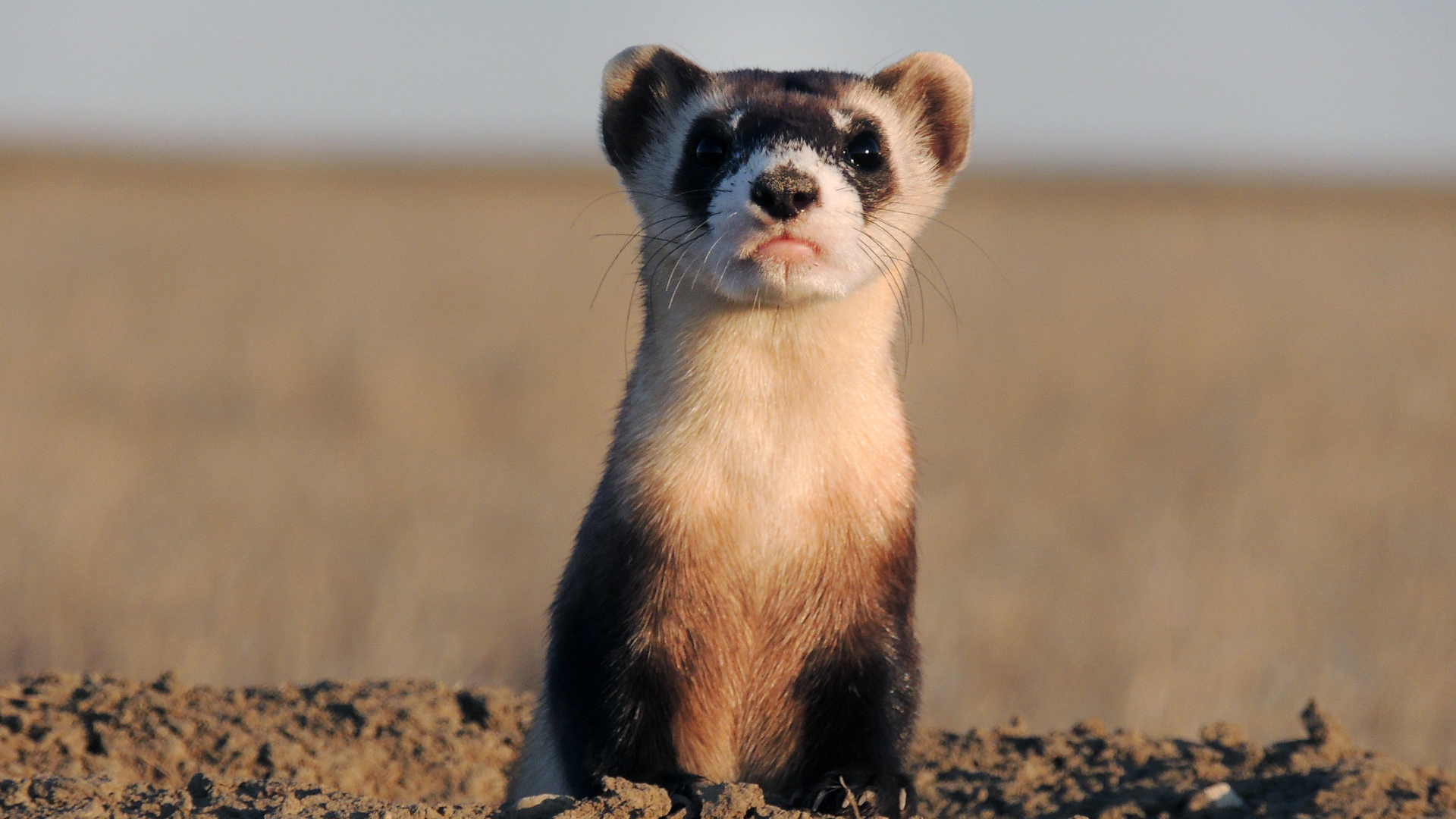
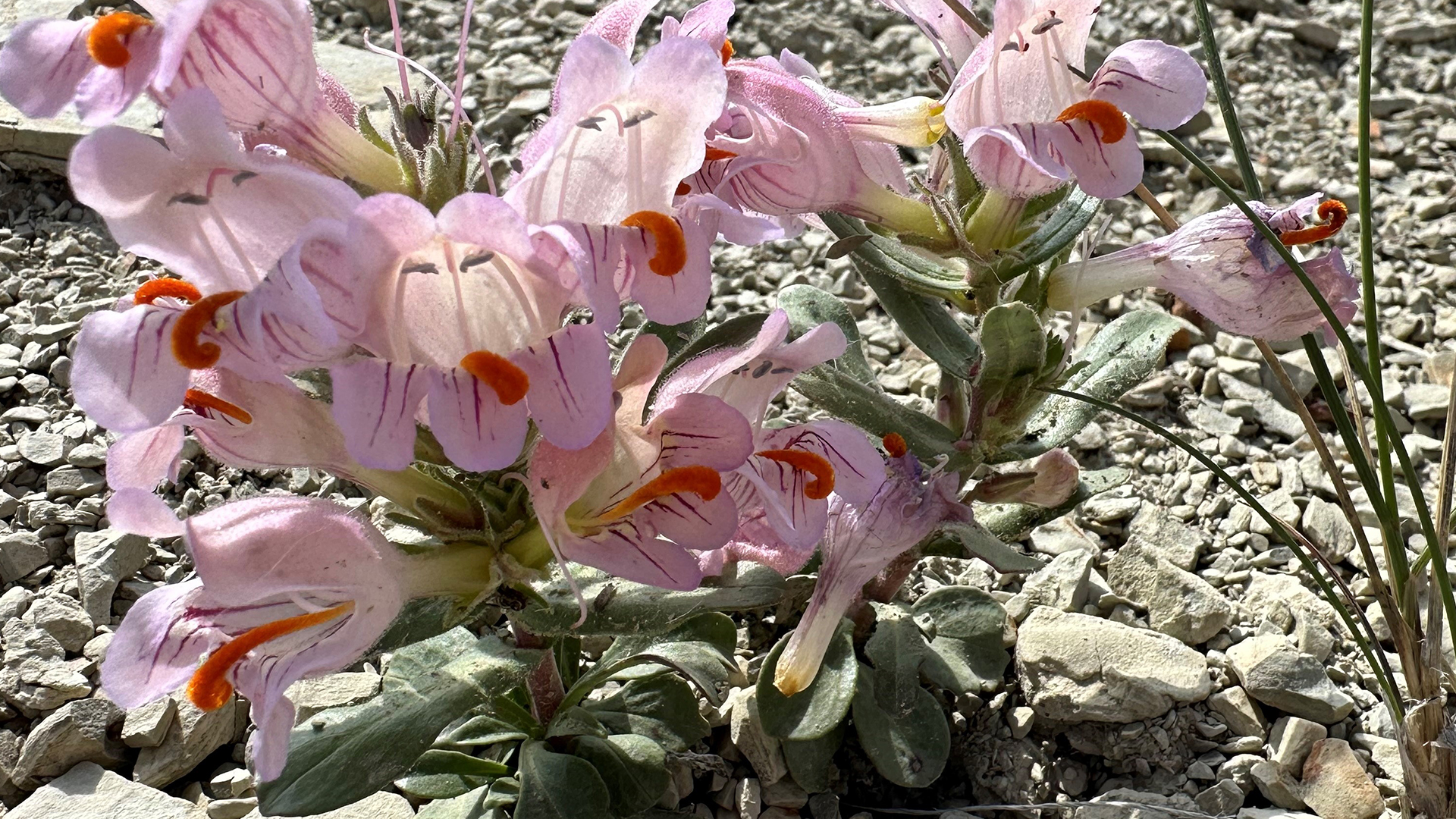
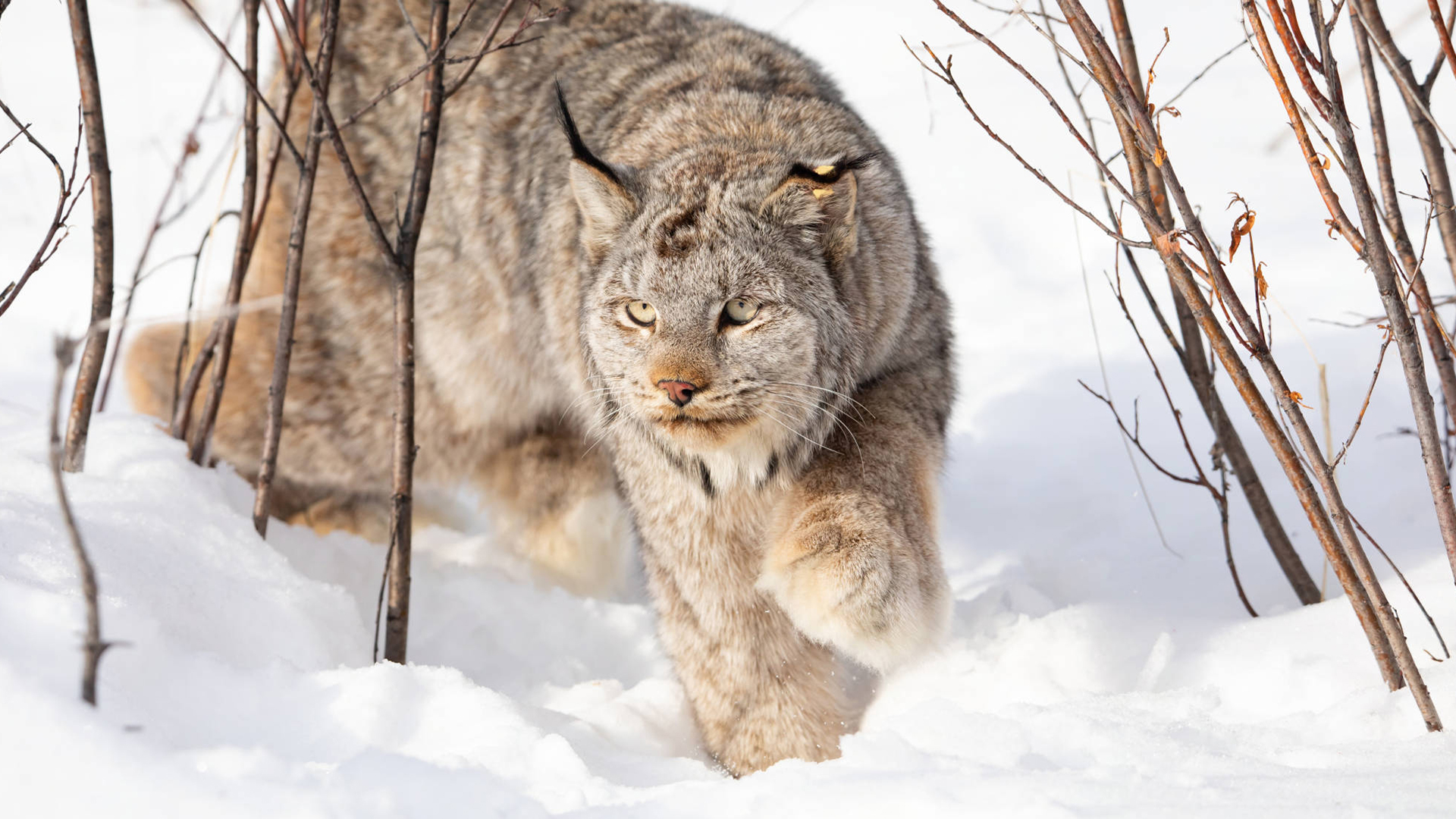
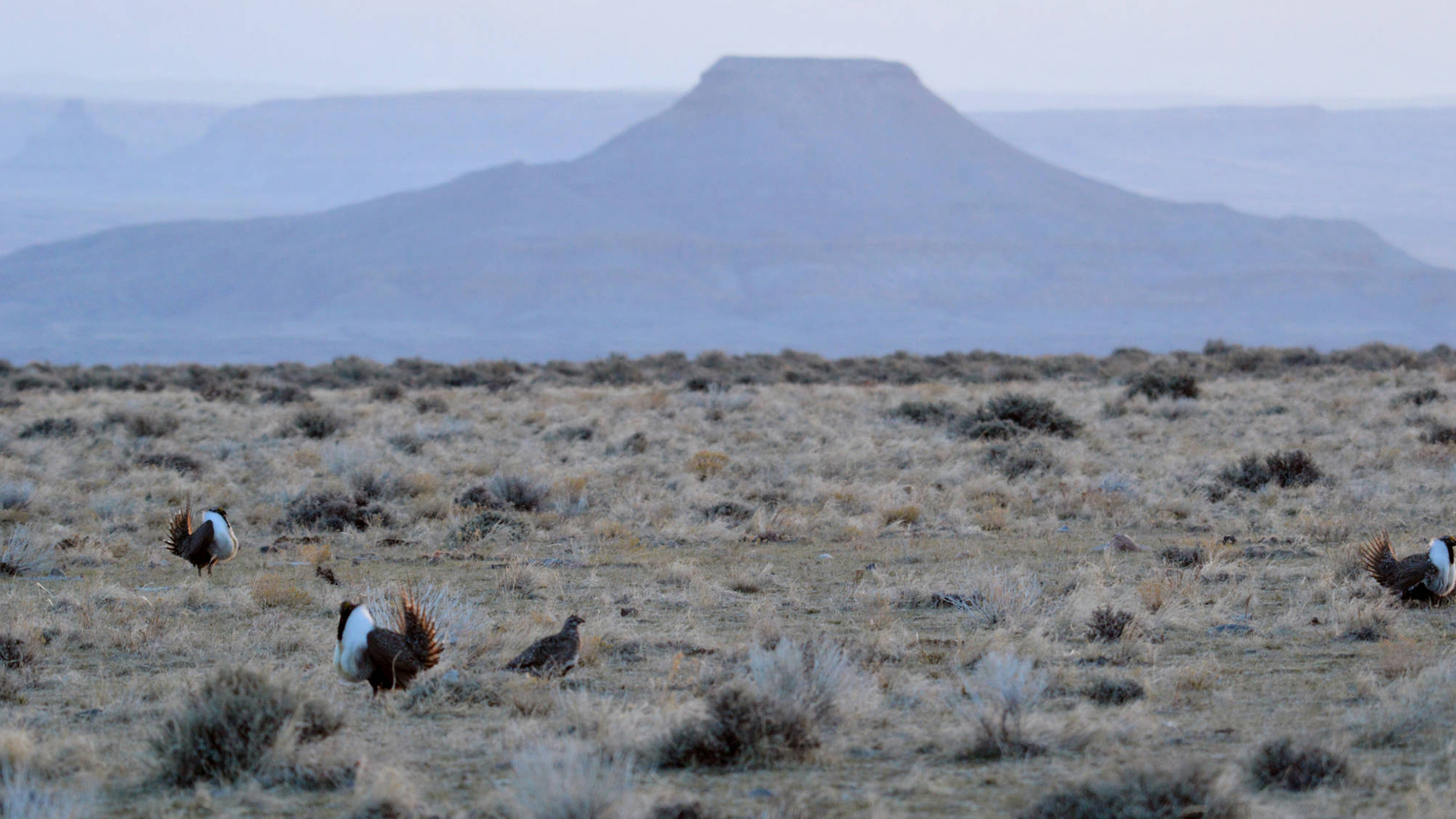
We are actively engaged in saving and restoring species including wolverines, American pikas, bats, Canada lynx, black-footed ferrets, sage-grouse, bighorn sheep, and rare plants. We focus on rare, endangered and missing species, and species important to the preservation of ecosystems.

Recent success: Colorado legislature passes historic bill to restore wolverines to Colorado.
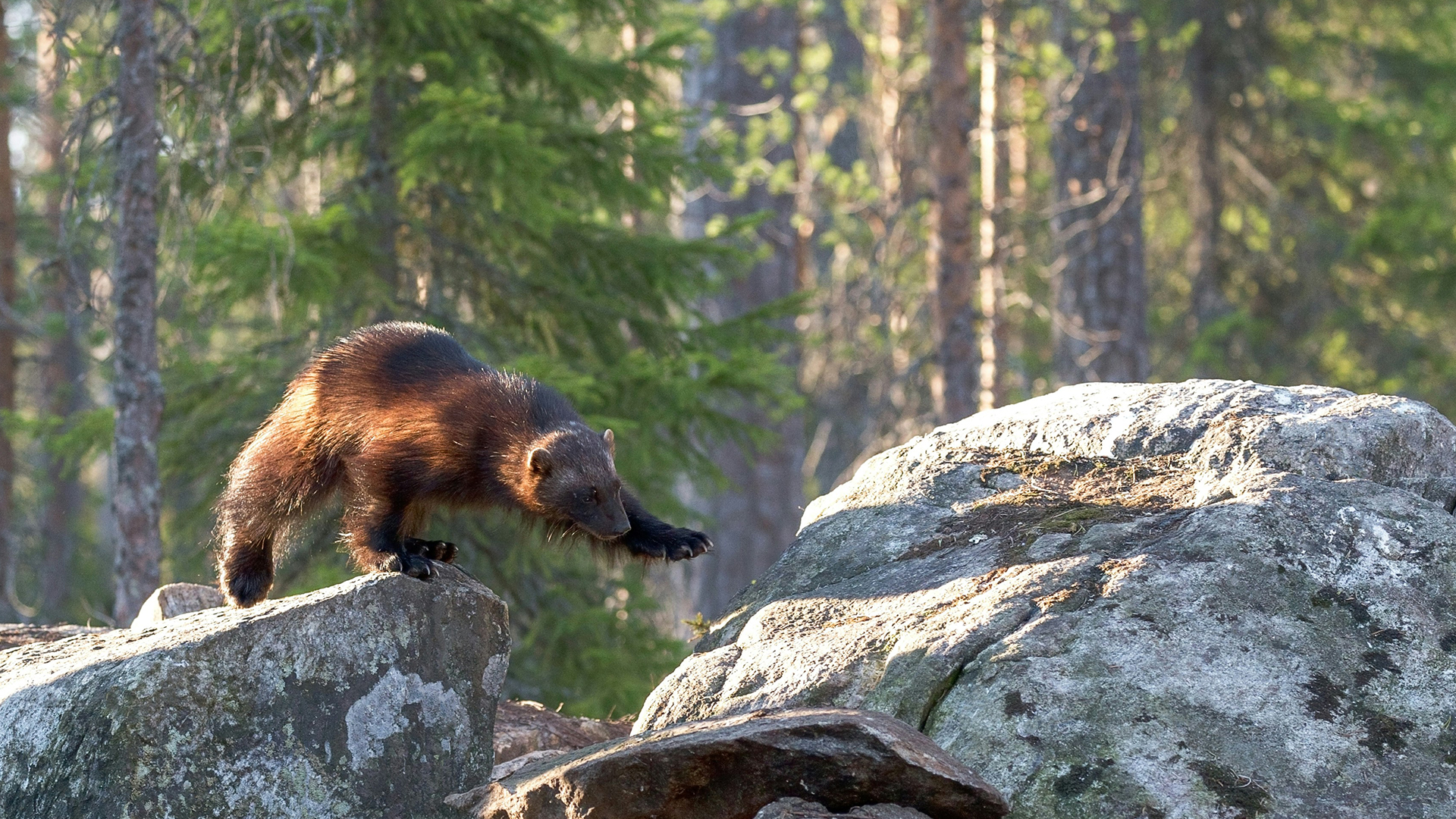
After a more than 100 year absence, wolverines are poised to return to Colorado. In 2024, SB24-171 passed the House on a bipartisan 51-13 vote after previously making it through the Senate on an earlier bipartisan 29-5 vote. Sponsored by Senator Perry Will (R), Senator Dylan Roberts (D), Representative McLachlan (D) and Representative Mauro (D), the legislation will facilitate the development of a 10(j) rule under the Endangered Species Act (ESA) to reintroduce North American Wolverines to Colorado.
“This is a huge win for wolverines and for Colorado’s wildlife,” said Megan Mueller, Conservation Biologist with Rocky Mountain Wild. “It’s amazing to see such broad, bipartisan support and recognition of the importance of bringing wolverines back to Colorado.”
Other Successes:
We’re leading the charge to reintroduce wolverines.
Historically, wolverines ranged south from Canada and Alaska through the mountainous regions of the West to California, Utah, and Colorado. Today, wolverines inhabit high-elevation areas of the Northern Cascades in Washington, and the northern Rocky Mountains in Idaho, Montana, and Wyoming. There are fewer than 400 wolverines in the contiguous US. They are vulnerable to climate change and protected under the Endangered Species Act (ESA).
Colorado’s wolverine population went extinct due to unregulated trapping and poisoning in the early 1900s. The last wolverine confirmed in Colorado was a lone male who wandered 500 miles from the Tetons in Wyoming to central Colorado in 2009, and then to North Dakota where he was shot. Colorado continues to have prime habitat for wolverines, but female wolverines tend to stay closer to where they were born and are unlikely to make the difficult journey to Colorado.
But recently, Rocky Mountain Wild and our partners secured the first step toward reintroduction of wolverines!