Connect Landscapes.
We work to connect landscapes.
Habitat loss and fragmentation is recognized as a primary cause of the decline of species worldwide. Fragmentation restricts wildlife movement and limits migration as well as other important daily, seasonal, and life needs. It can drive species to extinction. We work to connect landscapes by identifying and protecting key remaining habitats and restoring the linkages between them.
Donate Today
Take Direct Action
We work to connect landscapes by finding the best places to reconnect :
[Explanation]
Our latest projects and wins:
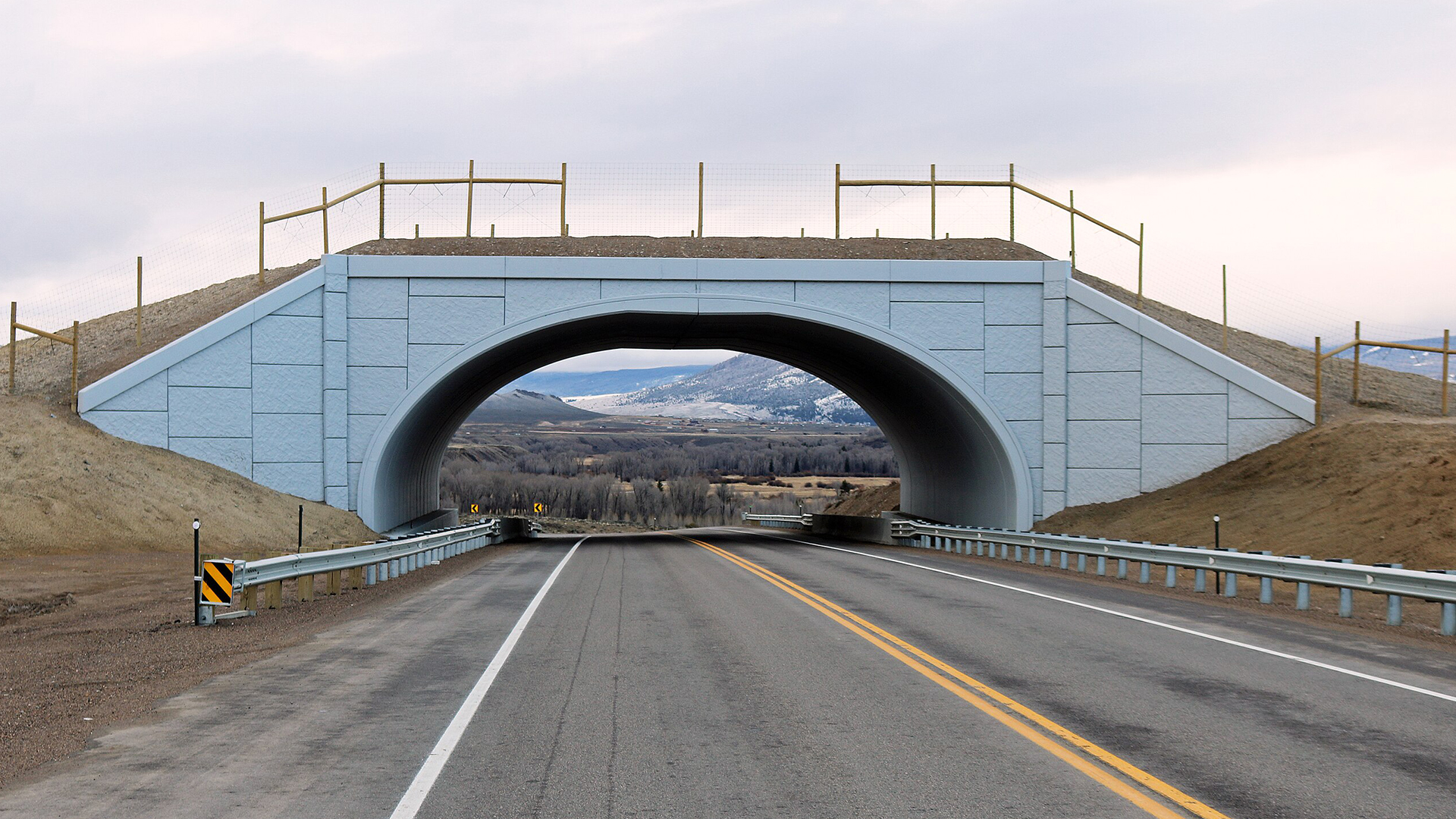
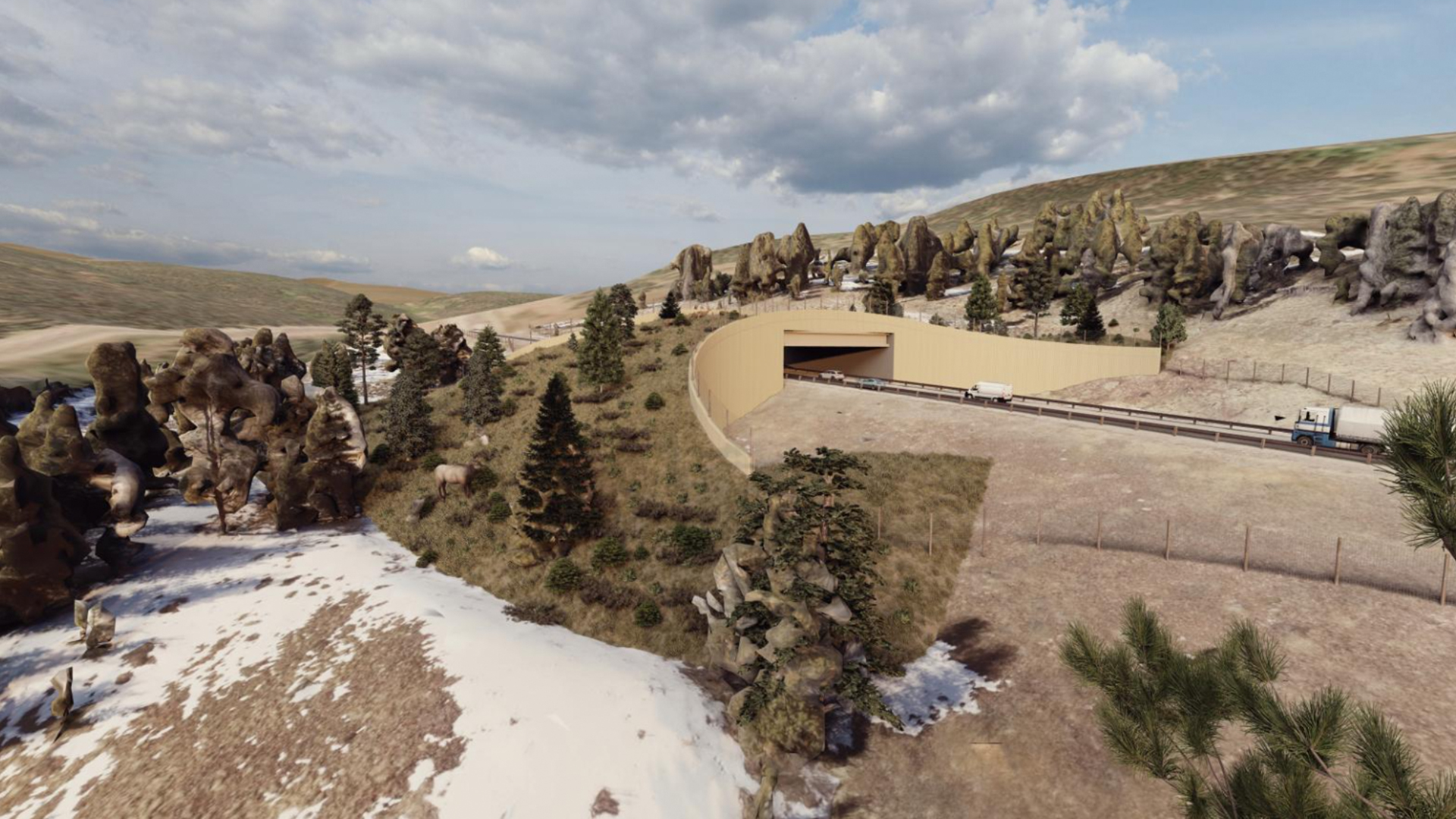
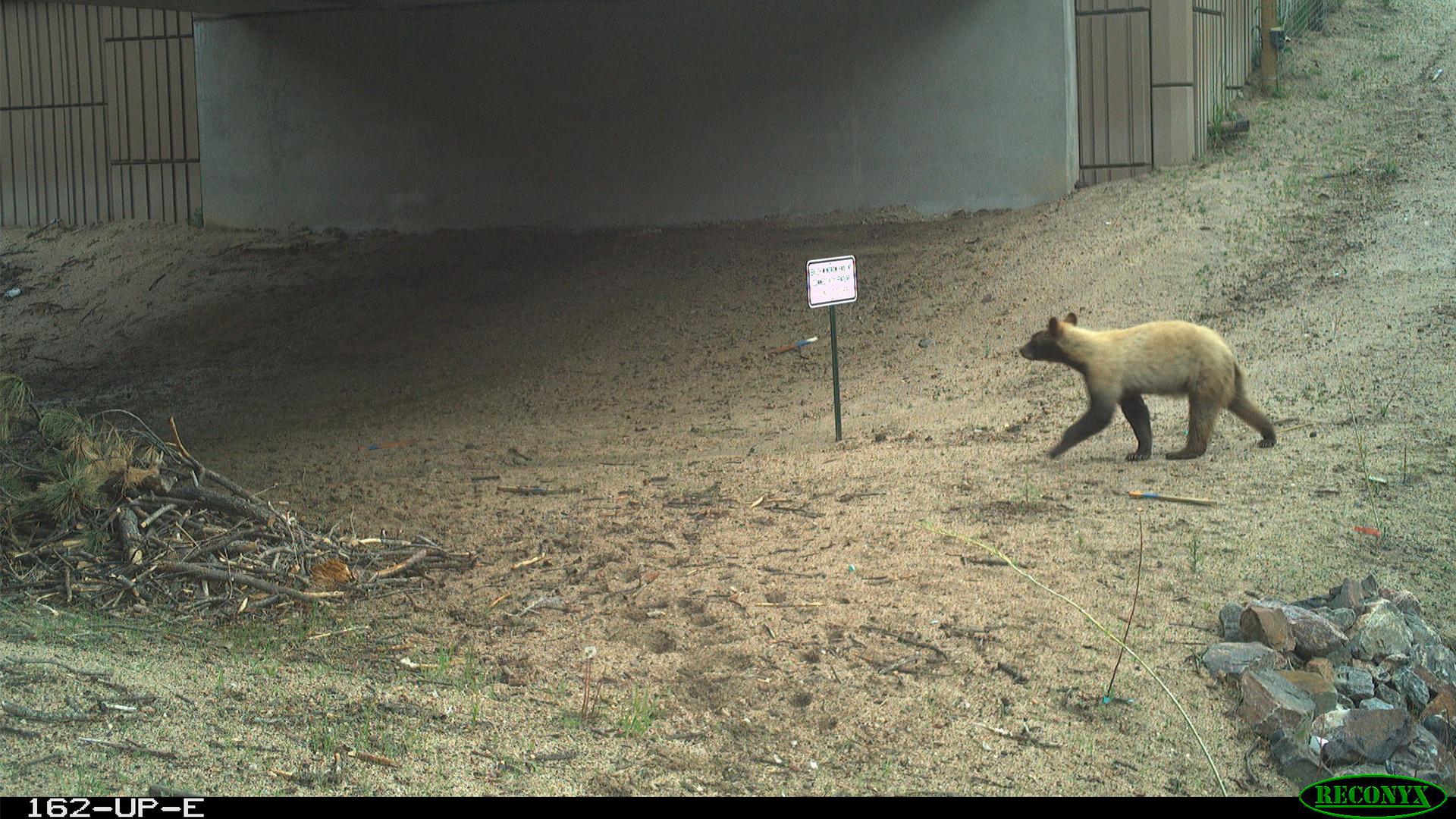
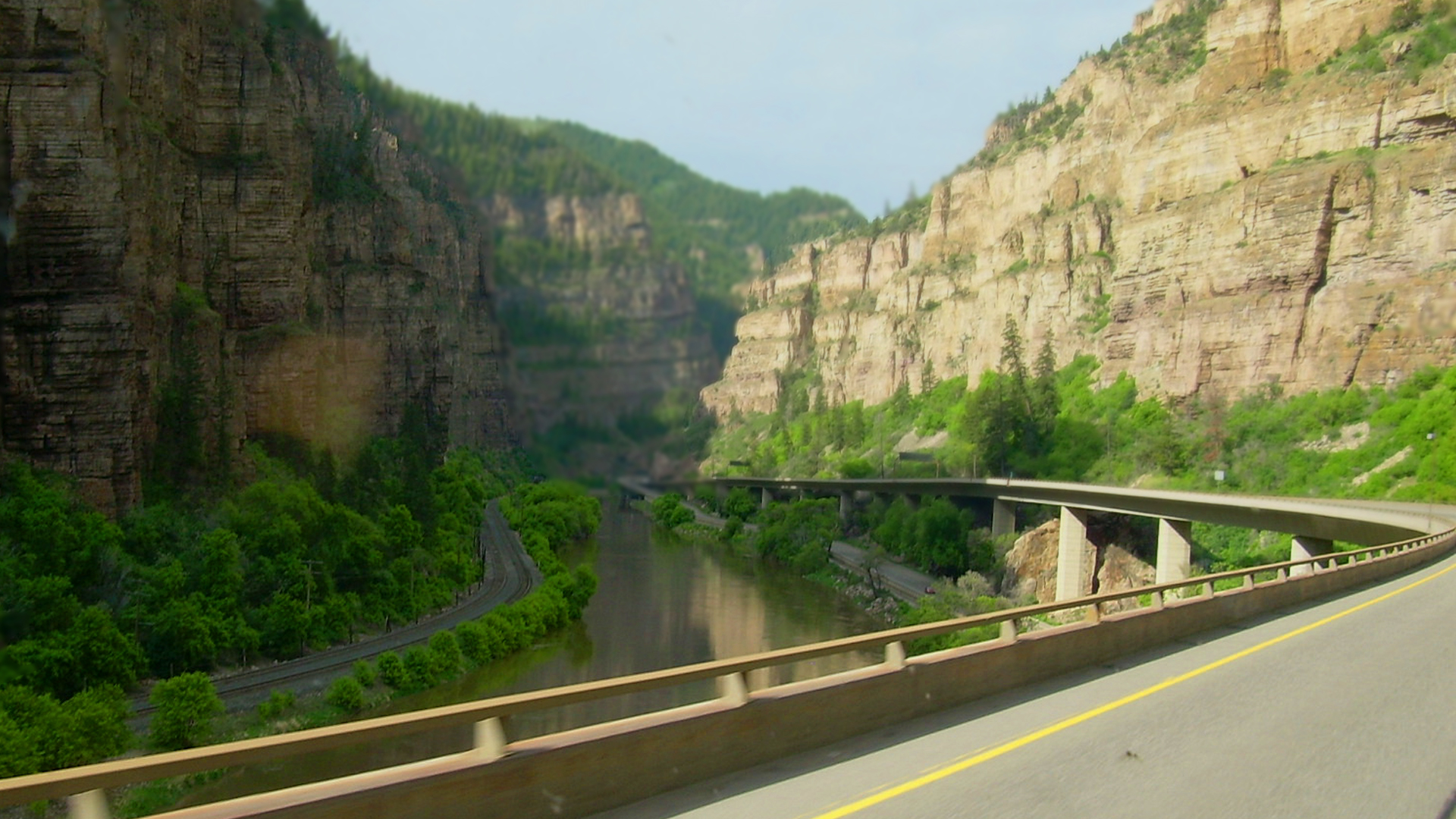
We work to connect landscapes by collaborating with partners to make identified reconnections happen.
Interstate 70 is one of the busiest highways in Colorado, and one of the most dangerous for wildlife. In an effort to make this highway safer for animals to cross, the Colorado Corridors Project is using remote-triggered cameras to collect important data in support of the construction of a wildlife overpass and two underpasses on the east side of Vail Pass. Help us identify which species we’ve captured on our cameras so we can better understand who lives here and help design the best wildlife crossing structures for all wildlife.
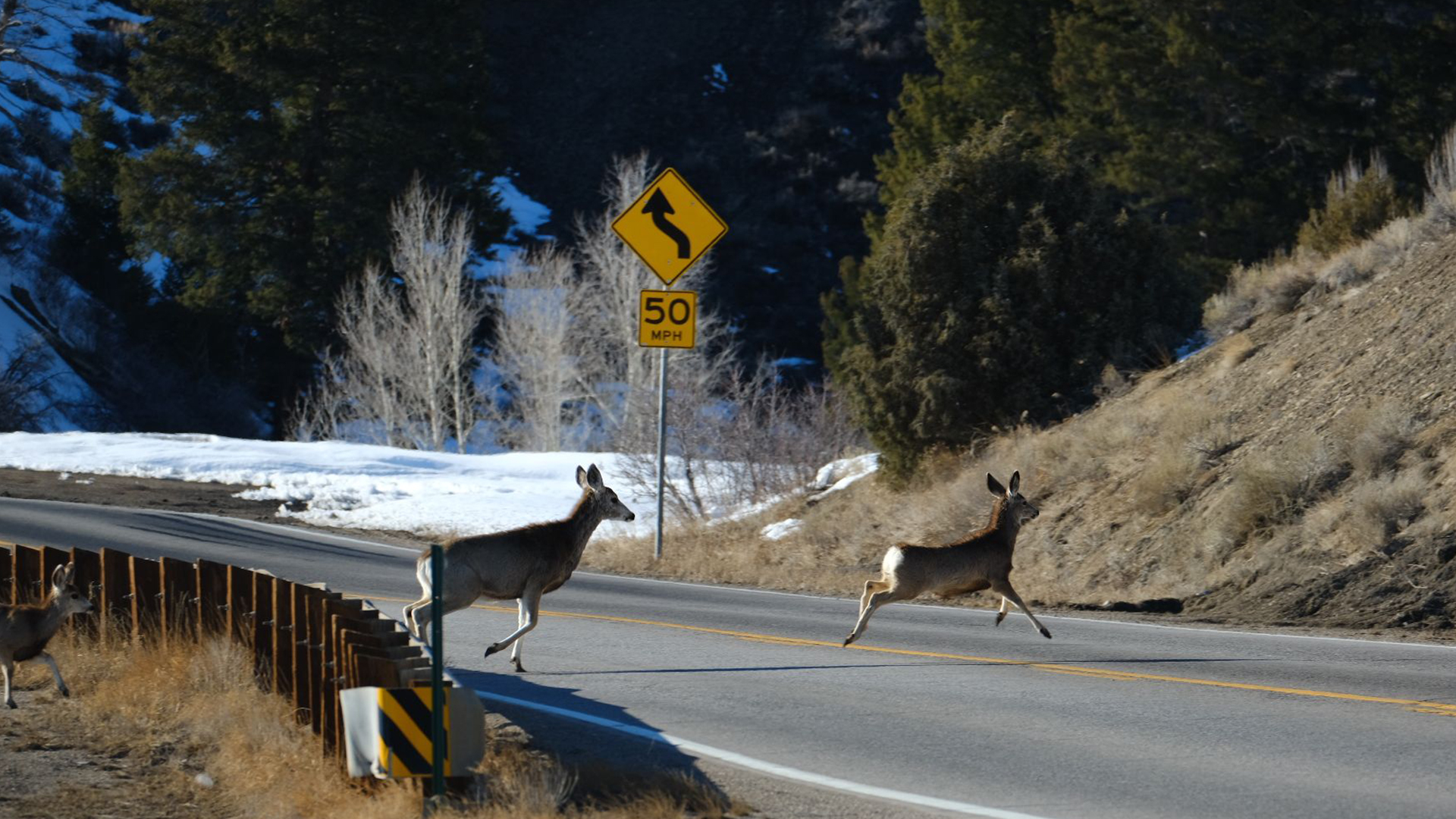
Learn more about our East Vail Pass project by going on the Wild I-70 Audio Tour
Rocky Mountain Wild is working to build public awareness about wildlife vehicle collisions along the I-70 Mountain Corridor with the intent of supporting the construction of wildlife crossing structures in the region. Our Wild I-70 Audio Tour is a free app that travelers can listen to in real time as they travel the corridor.
The tour introduces listeners to the wildlife and environments beyond their windshield. Quirky stories, unusual facts, and science help explain how lynx, wolves, humans, and more all use this important movement corridor.
Segment of the Wild I-70 Audio Tour
We work to connect landscapes by assessing reconnections to make sure they work.
[Explanation]
Protect Wolf Creek Pass from unfettered development.
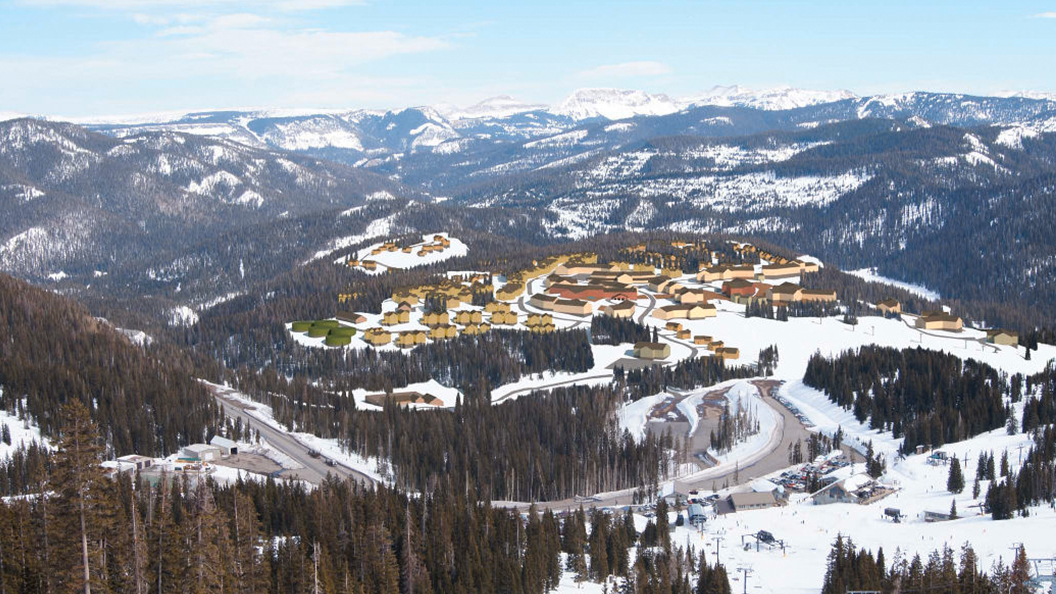
A recent court ruling overturned prior development rejections, resurrecting the project, which means we have to fight to protect this important ecosystem and wildlife corridor from a proposed 8,000-person village, again. The “Village at Wolf Creek” development threatens a critical wildlife corridor, backcountry recreation opportunities, nearby local businesses, rare fen wetlands, water quality and quantity for downstream communities, and more.