Protecting Wolf Creek Pass.
Addressing Habitat Fragmentation
Wolf Creek Pass needs your help to remain the beautiful area that you and thousands of others know and love. Out-of-state developers continue to pursue plans for a “Village” at Wolf Creek, a city of 8,000-10,000 people at the top of the Pass.
Donate Today
Take Direct Action
We address habitat fragmentation:
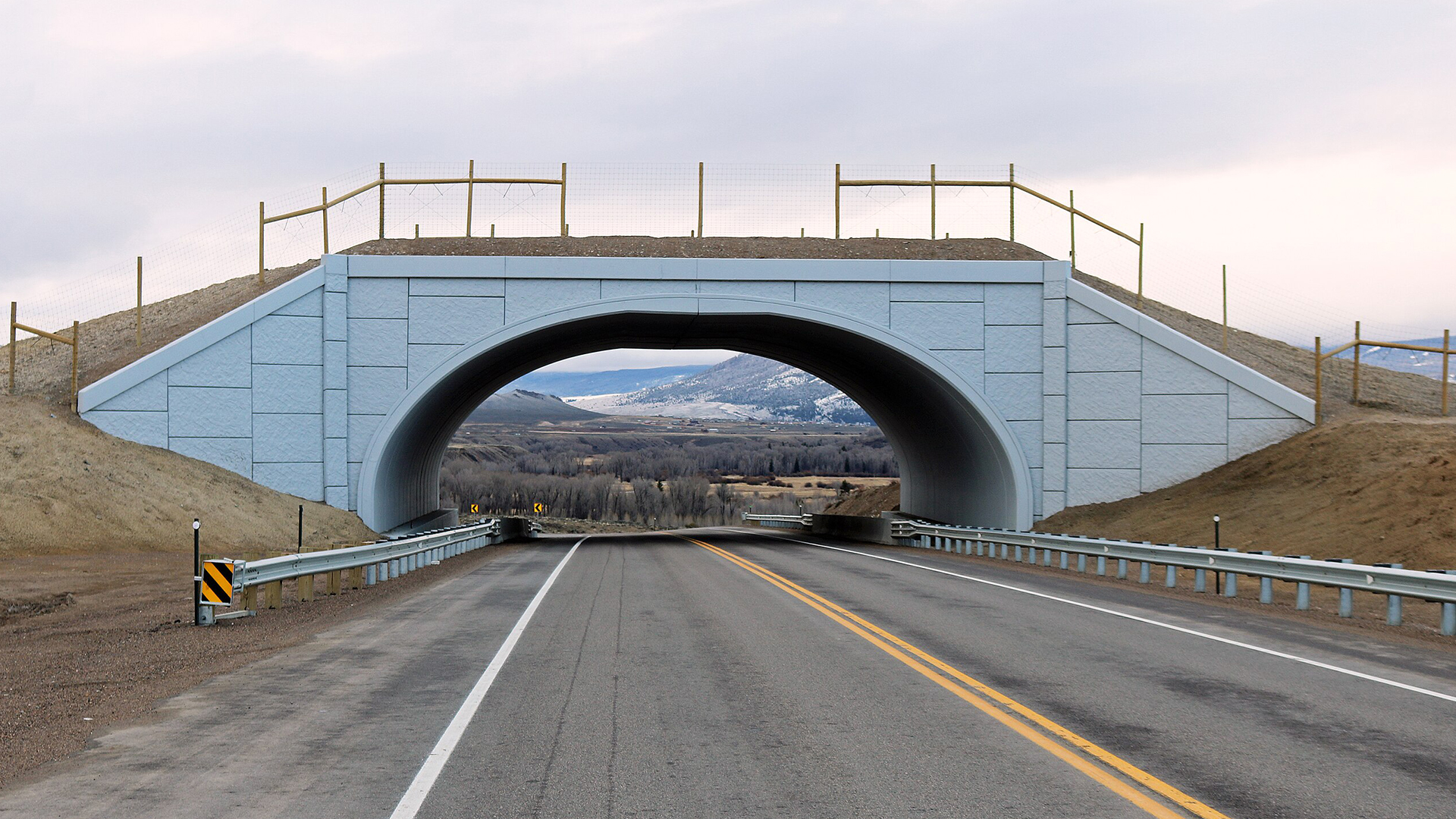
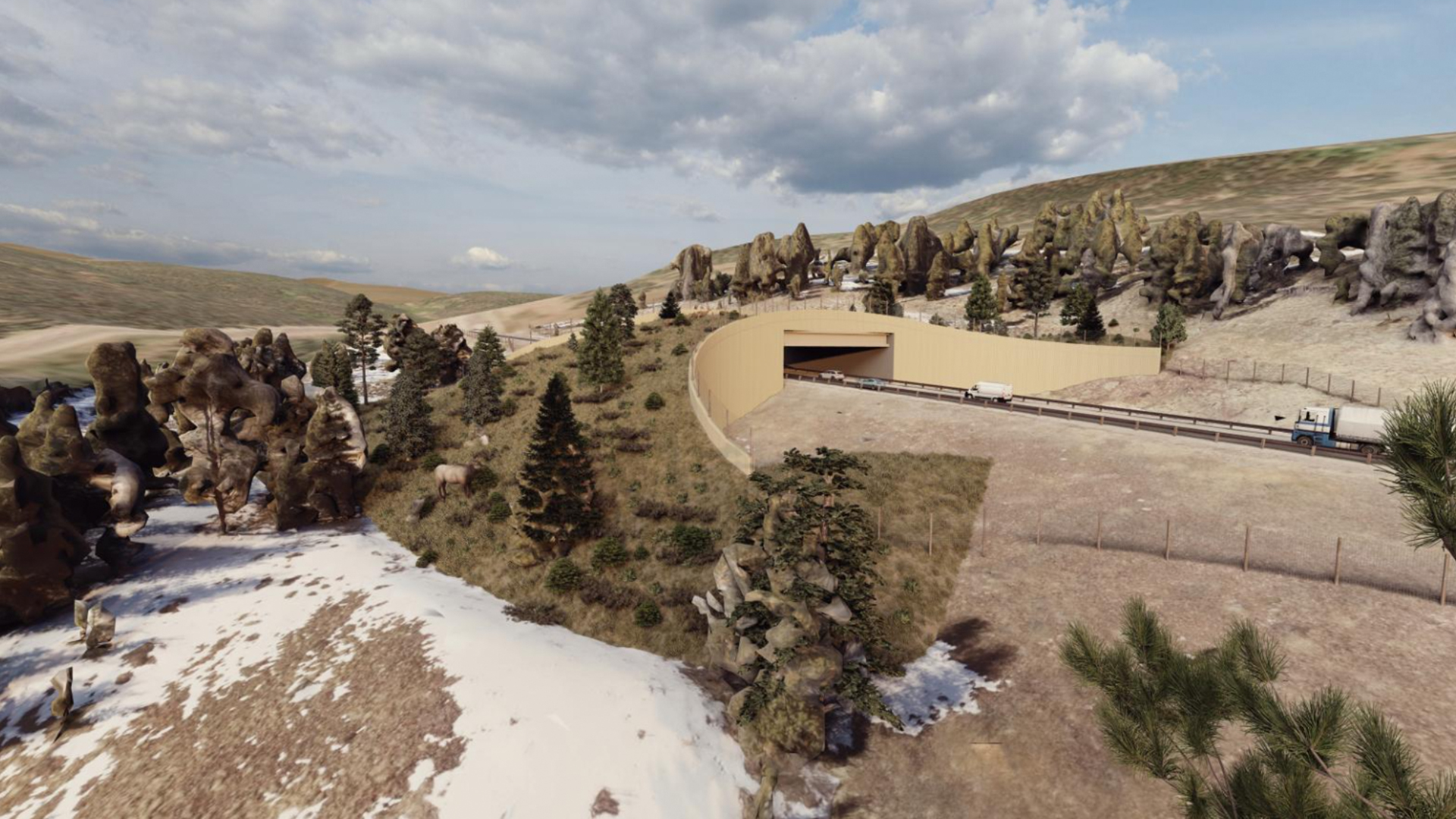
Habitat fragmentation is recognized as a primary cause of the decline of species worldwide. Fragmentation restricts wildlife movement and limits migration as well as other important daily, seasonal, and life needs. It can drive species to extinction. We address fragmentation by identifying and protecting key remaining habitats and restoring the linkages between them.
Header image: Wolf Creek Pass as it exists today, courtesy of Alex Pullen.
The proposed Village at Wolf Creek:
For decades, out-of-state developer B.J. “Red” McCombs has attempted to build a “Village at Wolf Creek” at the top of Wolf Creek Pass. The Village at Wolf Creek is a massive development planned to be an 10,000-person village containing 1,711 units comprised of hotels, condominiums, townhomes, single-family lots, and a commercial center. Since Red McComb’s passing, his children have continued this vision.
This development is 20 miles from the nearest town, in a remote landscape that is entirely surrounded by National Forest. Construction of the Village at Wolf Creek would dramatically impact the entire region, including harming ecosystem health, wildlife needs, and public interest.
For as long as Red McCombs and his children have been proposing the Village at Wolf Creek, we have been opposing it, along with our partners in the coalition Friends of Wolf Creek.
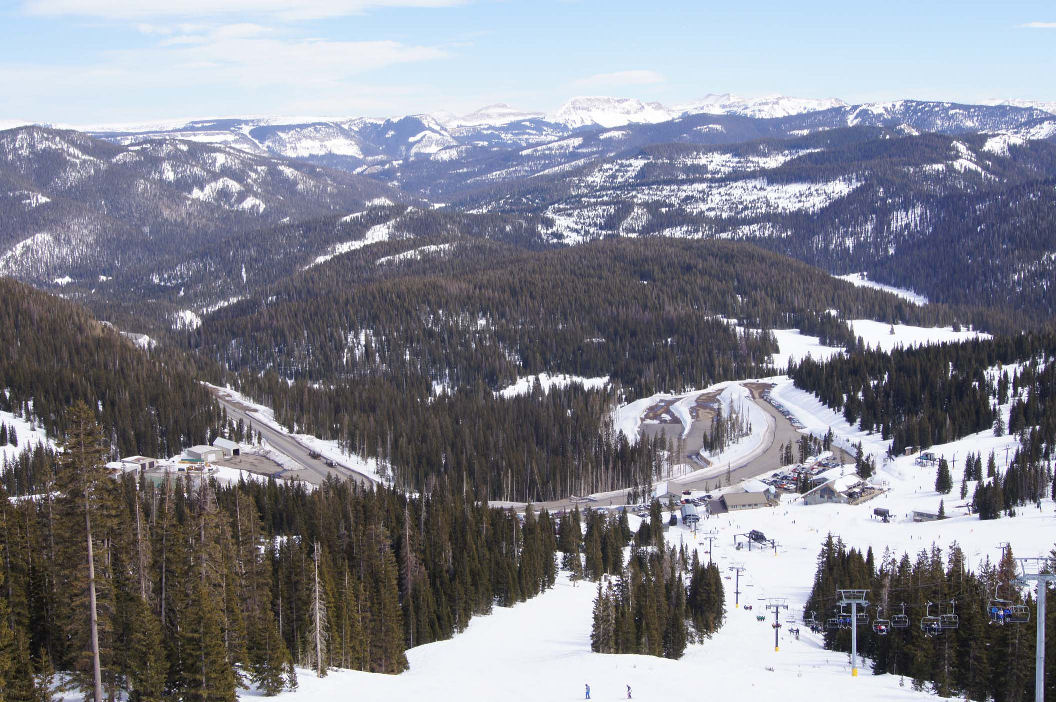
What Wolf Creek Pass looks like now.
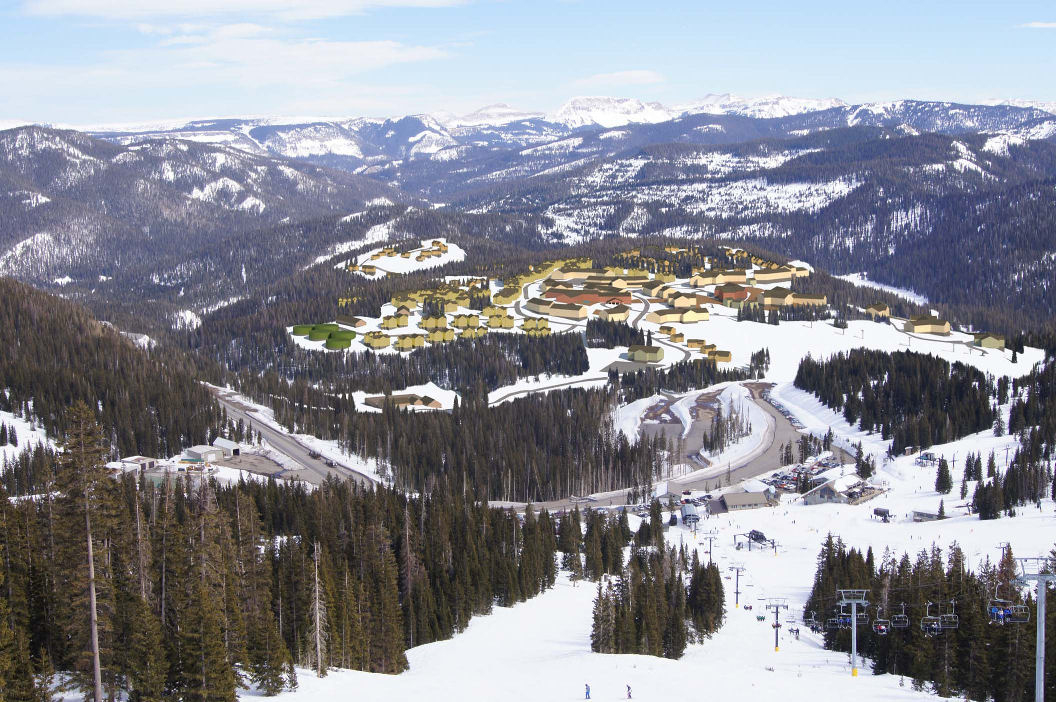
Rendering of the proposed Village at Wolf Creek.
Why Wolf Creek Pass:
The coalition Friends of Wolf Creek works to protect the incredible natural resources of Wolf Creek Pass from the development of a 10,000 person “village” of hotels, condos, retail shops, and parking lots.
Here are just some of the issues with building in this important wildlife movement corridor:
W Water – Wolf Creek Pass is a unique ecosystem formed by plentiful snowfall, high elevation, and steep slopes, which make it the location of irreplaceable fen wetlands and an essential water resource for downstream communities. With this development, millions of gallons of water would be pulled from the South Fork headwaters of the Rio Grande River, depriving those communities and agriculture of the essential water resources. The average person uses 80-100 gallons of water per day. At full-capacity, the “village” could use up to 1 million gallons of water per day, just for residential use! The existing water rights acquired by the “village” are inadequate to meet the needs of the development and the issue of how and where the additional water supply would be stored on the project site has not been adequately analyzed. In drought years, downstream water rights would be called upon, leaving the development with an insufficient water supply. The fen wetlands would become hydrologically isolated due to the building of on-site infrastructure and water quality deterioration would burden the health of downstream fisheries.
O Oxygen (or lack thereof) – At 10,400 feet in elevation, the “village” would be the second-highest city in Colorado. 75% of people visiting this altitude would suffer some type of altitude sickness, including headaches, nausea, and shortness of breath. Some would be afflicted with severe life-threatening forms of altitude sickness that would require immediate medical attention and evacuation to lower elevations.
L Lynx – Wolf Creek Pass, with its deep snowpack, provides one of the best remaining habitats for the threatened Canada lynx in the lower 48 states. Lynx have been reintroduced to this region and visitors sometimes even catch a glimpse of them. The increased traffic, outdoor lighting, noise, and human use of the forest for the “village” will fragment this habitat and stress existing lynx populations.
F Fire – Fires are a cyclical element of forest ecosystems and often should be left to burn in unpopulated areas. There are countless ecological benefits to periodic fires, including clearing out dead organic material, increasing soil fertility, and ridding an ecosystem of invasive species that have not adapted to these natural cycles. When we build structures and situate people in previously unpopulated forested zones, we create conditions where fire suppression and emergency rescue are both necessary and daunting. Colorado is experiencing more intense and frequent wildfires. In 2020, we experienced three of the largest fires in our history. A year-round “village” at Wolf Creek Pass increases the likelihood of wildfires in the area and stresses the limited resources available to protect structures and human lives.
C Climate Change – Currently, a wild Wolf Creek Pass contributes to carbon sequestration (the long-term removal of carbon dioxide to slow or reverse atmospheric CO2 pollution and mitigate or reverse climate change). Because of its remote location, the “village” would require complex infrastructure and various forms of energy to build and operate. The planned large-scale development would release considerable amounts of carbon, shifting this area from combatting climate change to a climate change contributor.
R Roads – The road to Wolf Creek Pass is winding and steep and often snow-packed and icy in the winter. Hairpin curves, steep drop-offs, traffic, and frequency of accidents make this road one of the most dangerous in Colorado. The “village” could add an estimated 5,150 cars a day (a 260% increase), many driven by people inexperienced with mountain travel conditions.
E Emergencies – Altitude sickness, vehicle accidents, fires, avalanches, and other emergency situations will require an immediate response from emergency personnel. The closest hospital, fire department, and other emergency services are located in Pagosa Springs, which is 25 miles (40 minutes) distant.
E Economy – The tourism industry makes up a significant portion of the local economies of communities like South Fork and Pagosa Springs. Pagosa Springs, for example, is a town of 2,057 residents that attracts 375,000 tourists each year. These communities provide these tourists with hotel rooms, restaurants, groceries, fuel, and other services. The development of the “village” and its commercial center would concentrate those services at the top of the Pass. Family-owned businesses in these communities would suffer, while corporate chains fill the storefronts at the top of the Divide. Additionally, tax dollars and volunteer services from neighboring counties (Rio Grande and Archuleta) would support the emergency services for the development, while the tax income from the development would be conveyed to Mineral County.
K Kills – Wolf Creek Pass is a vibrant landscape with thriving biodiversity. In 2015, Friends of Wolf Creek led a bioblitz to survey and record the impressive array of species there. Our volunteers recorded hundreds of plant and animal species, including four bear cubs, numerous American pikas, and the call of a Canada lynx! The Environmental Impact Statement (EIS) released by the Forest Service acknowledges there would be increased vehicle-wildlife collisions, especially in such a remote, dangerous mountain terrain. The Colorado Department of Transportation (CDOT) and Colorado Parks and Wildlife has already identified Highway 160 (which crosses the Pass) as a high-risk highway for vehicle-wildlife impacts in Colorado. In fact, according to CDOT, Highway 160 has twice the regional average of vehicle-wildlife collisions and almost five times the statewide average of roadkill.
P Public Access – Currently, local residents and visitors access the Wolf Creek Pass area for a diversity of recreational activities throughout the year. Building the “village” at this location, filled by thousands of people on the Pass, would significantly curtail and modify current and historic public uses and push out many existing users.
A Alternatives – Alternatives exist to building this proposed “village” in this absurd locale – one with the highest annual snowfall in Colorado, a critical wildlife corridor, and altitude sickness-inducing elevation. As “Don’t Pillage the Pass” forces have suggested for decades, a resort development of this magnitude is far more appropriate adjacent to nearby lower-elevation towns with existing infrastructure, functioning local businesses, and emergency services.
S Skiers and Snowboarders – Skiers and snowboarders who currently frequent Wolf Creek Ski Area often comment favorably on its remote and minimally-developed resort characteristics. The “village” would replace the simple, old-time feel, and bare-bones characters of Wolf Creek Ski Area with the gloss and glimmer of an operation fixated on profit. The addition of thousands of residents and visitors housed at the “village” would also permanently alter those treasured attributes and displace long-time local and regional users.
S Scenic – The scenic views at the Continental Divide and Wolf Creek Pass are a hallmark of traversing them, whether one is skiing, hiking, fishing, hunting, or just driving over the Pass. Undoubtedly, fabricating a larger-than-Vail development near the summit of the Pass would irretrievably alter the scenic nature of the Pass, now enjoyed by visitors and travelers.
The history of the movement to protect Wolf Creek Pass from the Village at Wolf Creek:
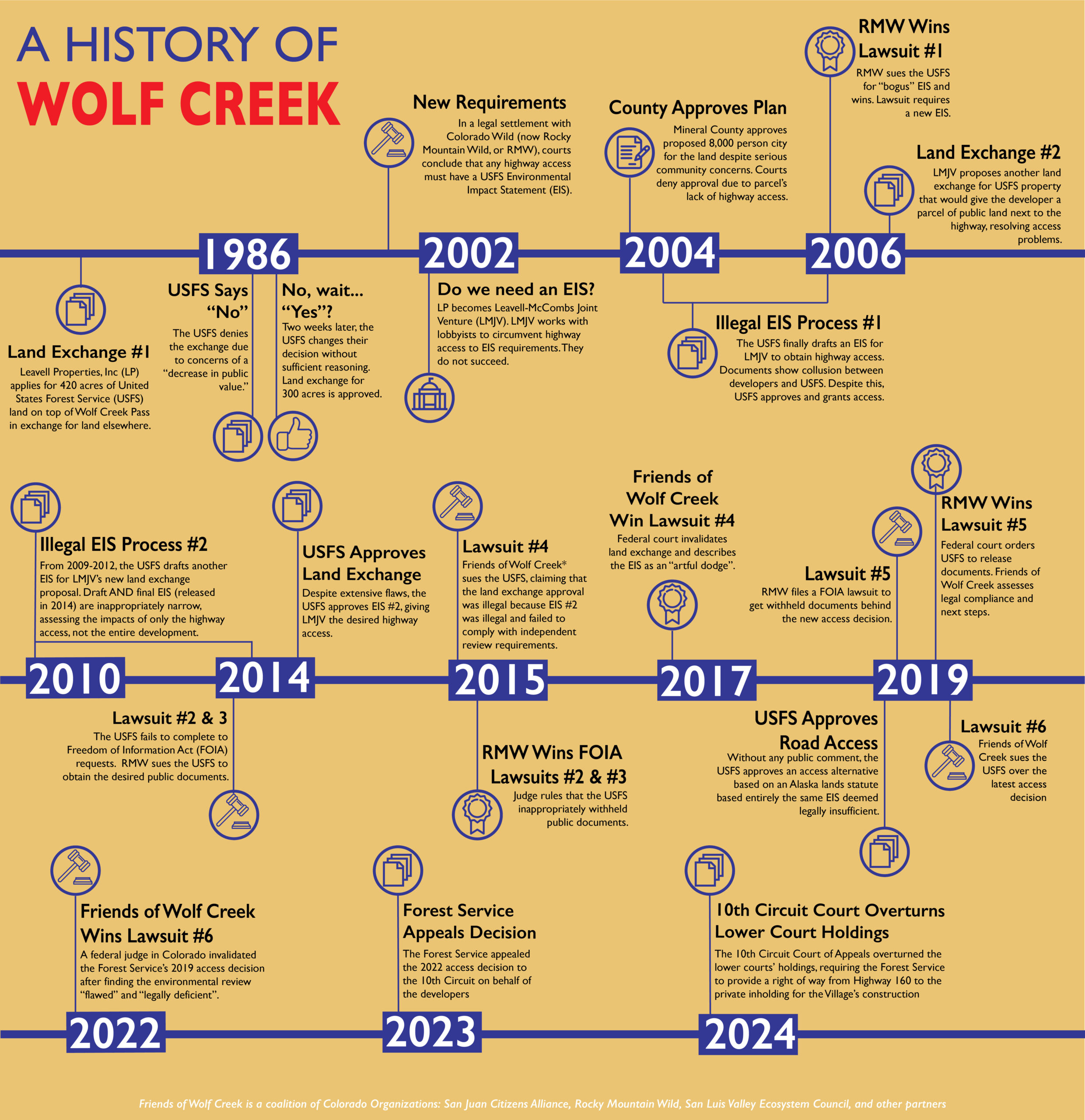
In 1986 Leavell Properties, Inc. (later joined by Texas billionaire B. J. “Red” McCombs to form the Leavell-McCombs Joint Venture, or LMJV) swapped land with the United States Forest Service to obtain a property on top of Wolf Creek Pass surrounded by Forest Service land. McCombs expanded the plan to his “Village at Wolf Creek.” In order to construct the Village at Wolf creek, however, LMJV needs Forest Service approval to gain year-round highway access to the isolated property.
Since the beginning, the “Friends of Wolf Creek” – a coalition of conservation groups from around the state – have fought to ensure the development is never realized. So far we’ve been able to keep construction at bay, forcing the Forest Service to hand over documents and rewrite woefully inadequate Environmental Impact Statements (EISs). In 2006, we sued the Forest Service for inappropriately colluding with the developer during environmental assessments, and won. We sued the Forest Service three times for disregarding Freedom of Information Act (FOIA) requests. And we won the first two cases.
In May of 2017, we won another lawsuit, putting the development on hold yet again. A federal judge nullified the land exchange on grounds the Forest Service avoided a thorough analysis of the environmental impacts of development in their latest EIS and that they failed to meet independent review requirements. The judge agreed that the Forest Service shirked their responsibility by ignoring the immense impacts of building a city at 10,400’.
But McCombs and the Forest Service refused to accept the public’s verdict opposing the destructive project, and in February 2019 the Forest Service approved yet another scheme to give McCombs carte blanche for development. The 2019 decision simply handed over a paved access road to McCombs using precisely the same flawed environmental analysis used to justify the land exchange decision that was invalidated by the court in 2017.
So back to court we went yet again, and not surprisingly a federal court yet again rejected the Forest Service’s scheme to hand over road access to McCombs. The 2022 court decision found that the Forest Service acted unlawfully in making this access decision, and also found that the U.S. Fish and Wildlife Service violated the Endangered Species Act in its analysis of impacts to Canada lynx, a listed threatened species.
Unfortunately, the Forest Service continues to advocate for the project and appealed the latest court decision to the 10th Circuit Court of Appeals. At the beginning of 2024, we offered oral arguments at the federal courthouse in Denver to uphold the prior court decision.
Some of our other projects: