Engaging people in collaborative solutions to local environmental problems.
A small organization with an outsized impact.
Rocky Mountain Wild works to protect, connect, and restore wildlife and wild lands in the Southern Rocky Mountain region. We envision a biologically healthy future for our region – one that includes a diversity of species and ecosystems, thriving populations of wildlife, and a sustainable coexistence between people and nature.
Donate Today
Take Direct Action
We’re a small organization with an outsized impact thanks to volunteers and supporters like you!
Team members
Volunteers and Supporters
Acres of public lands deferred from oil and gas development
We specialize in community science projects.
Community science allows scientists at Rocky Mountain Wild and partner institutions to expand the amount of scientific data that we can collect, conduct long-term research over large geographic areas, and focus on some of our region’s most pressing questions. Professional scientists at Rocky Mountain Wild and elsewhere don’t have the capacity to do this research alone, and volunteers participating in community science programs are making major contributions to advancing science and conservation in our region and across the globe.
Join us!
Colorado Bat Watch
Collect data to enable state and federal agencies to monitor bat species over time and better understand the impacts of white-nose syndrome and other threats on local populations.

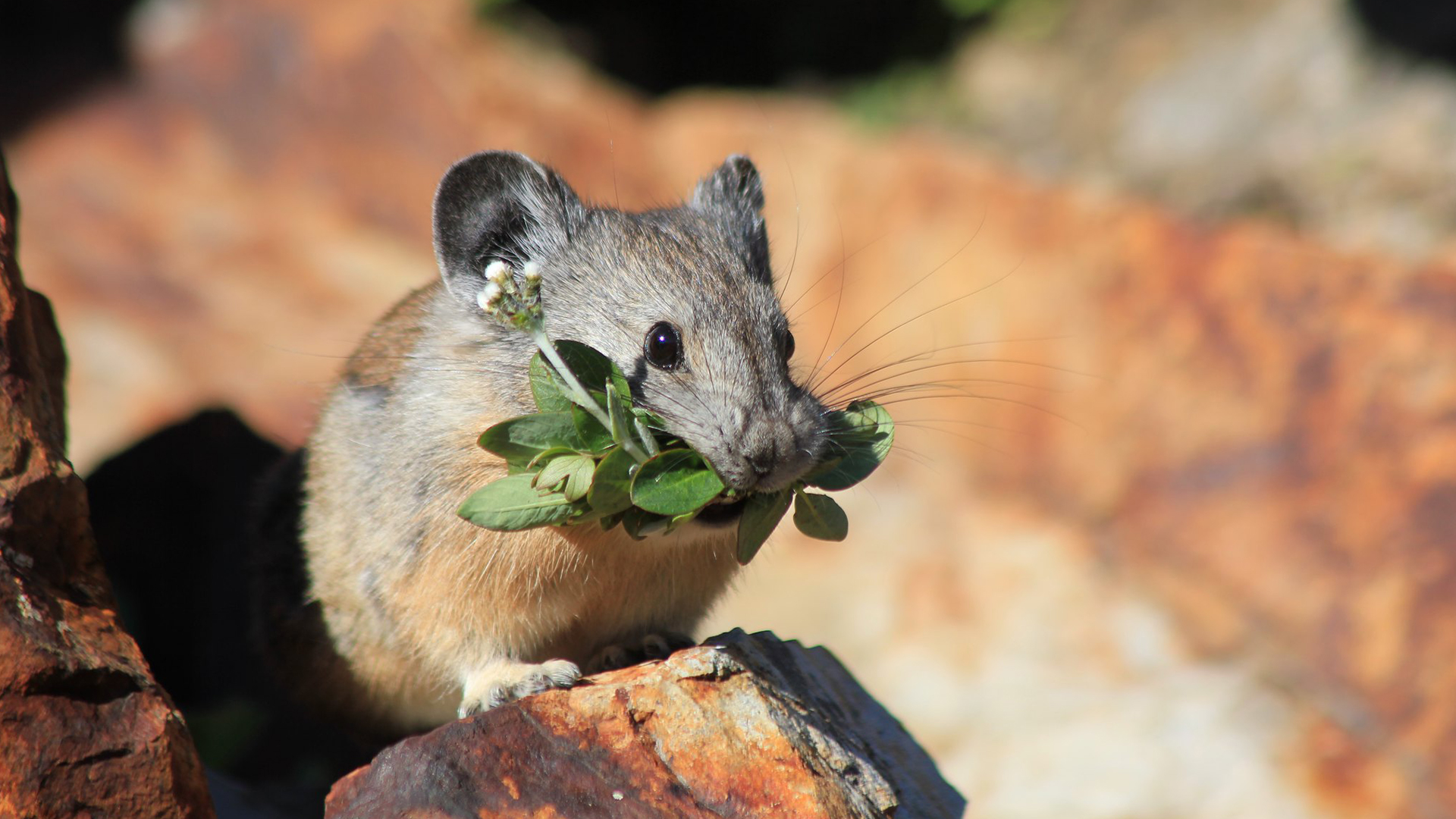
Colorado Pika project
Collect data on the presence of pikas and the characteristics of their habitat at long-term monitoring sites to track how climate change is impacting pikas, and find solutions to any potential threats.

Colorado Corridors project
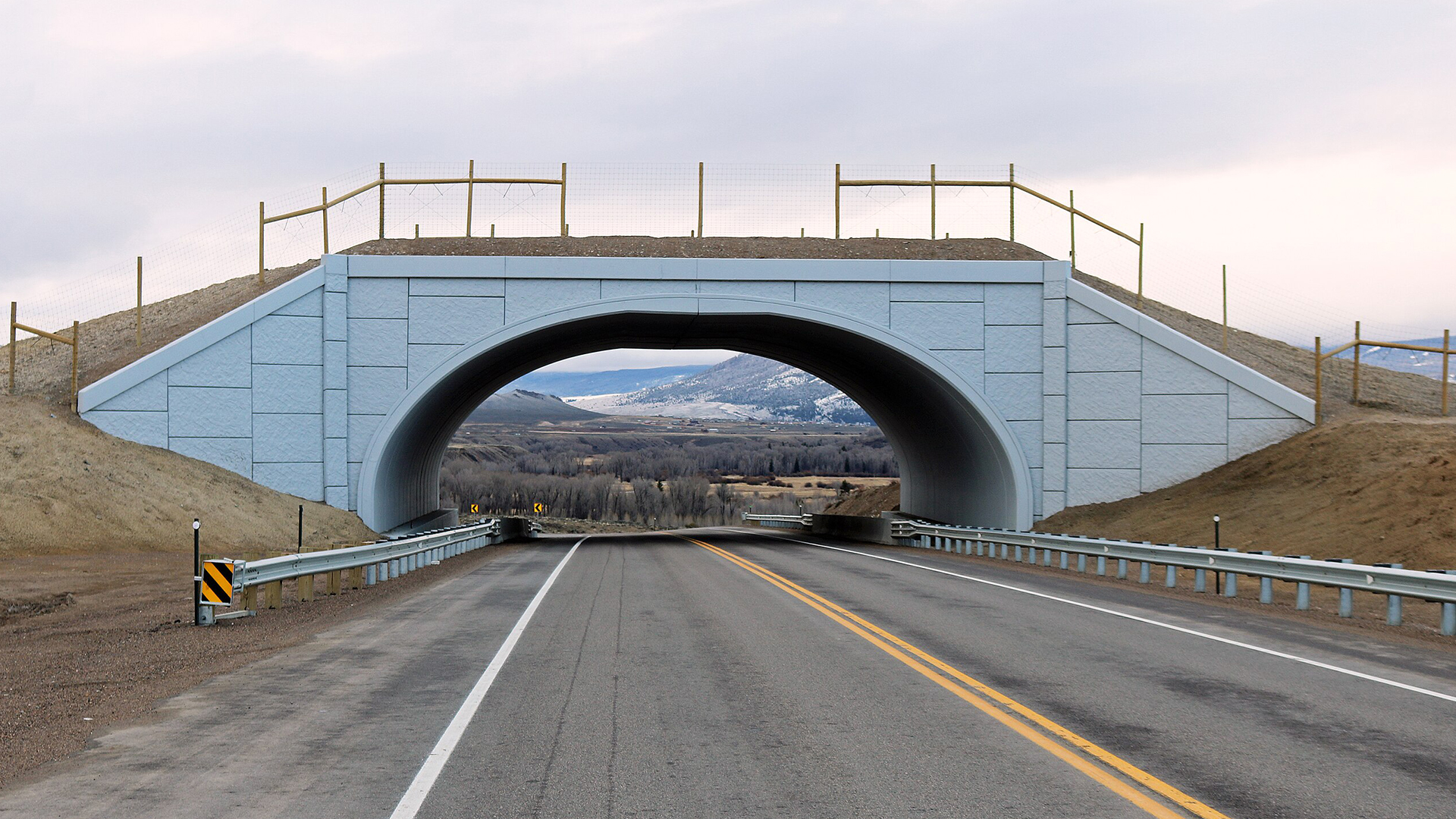
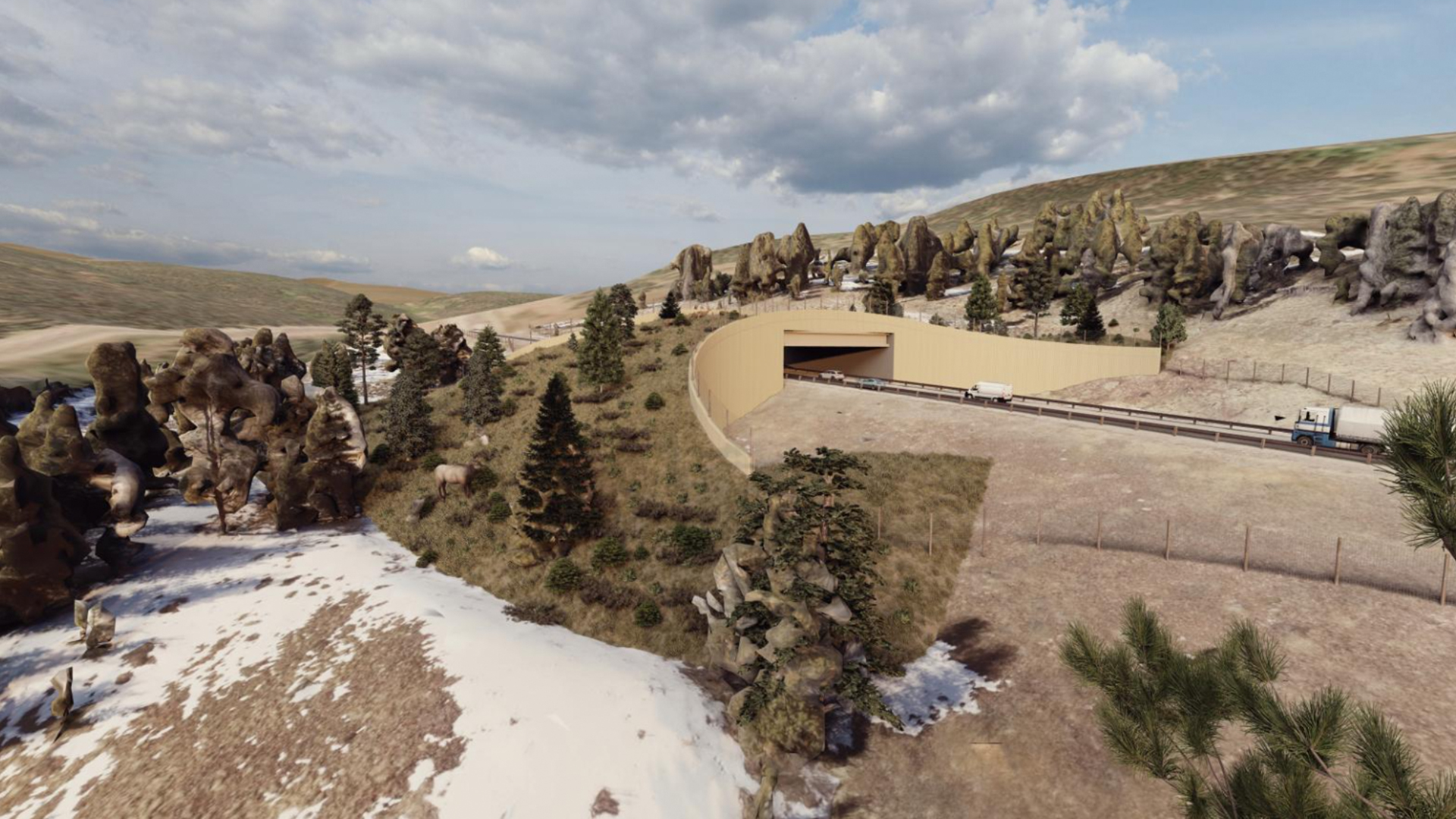
Monitor wildlife near proposed wildlife crossing structure sites using remote-triggered cameras to assess the effectiveness of the I-70 East Vail Pass Wildlife Crossings.
We protect and restore biodiversity.
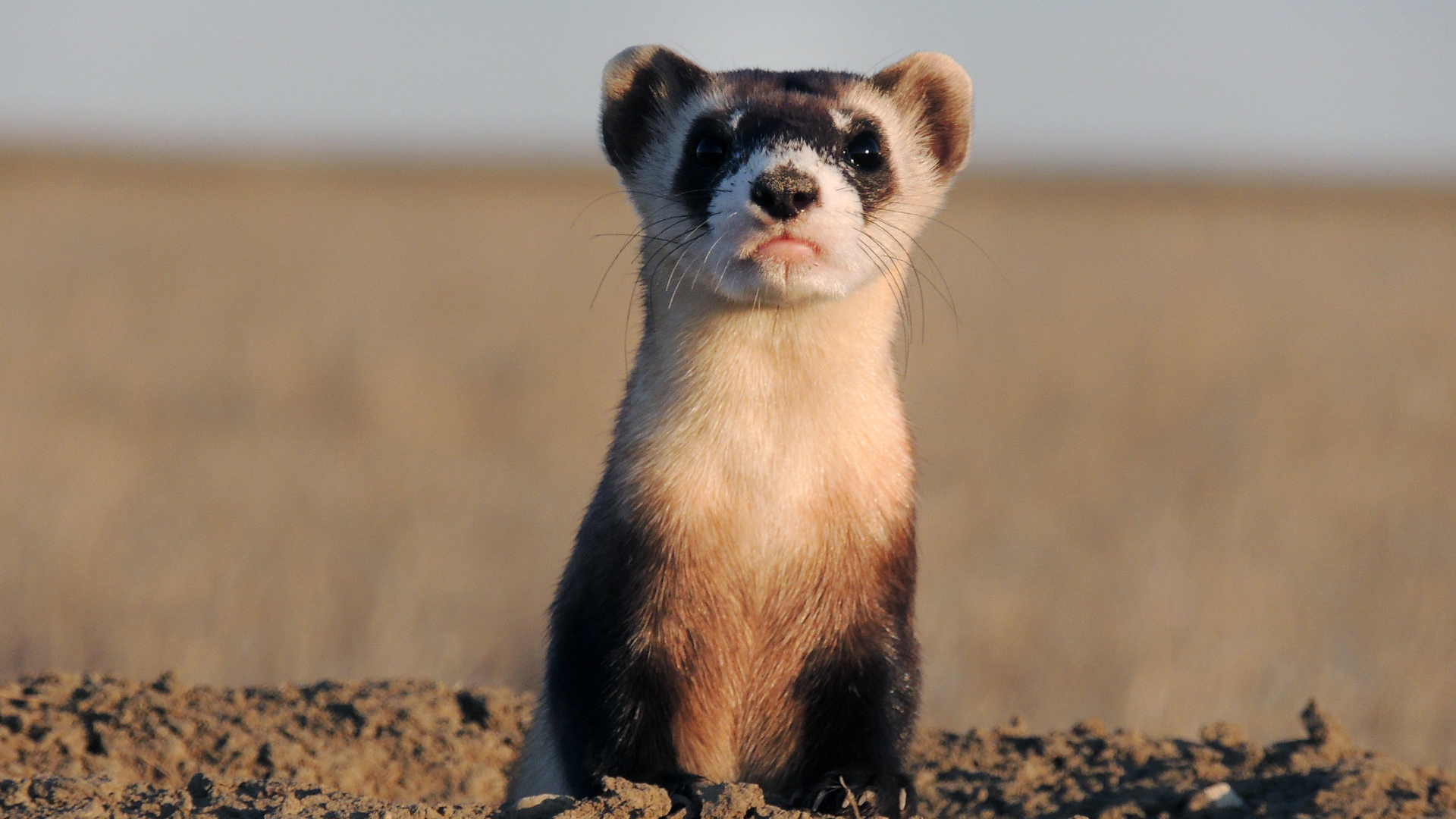
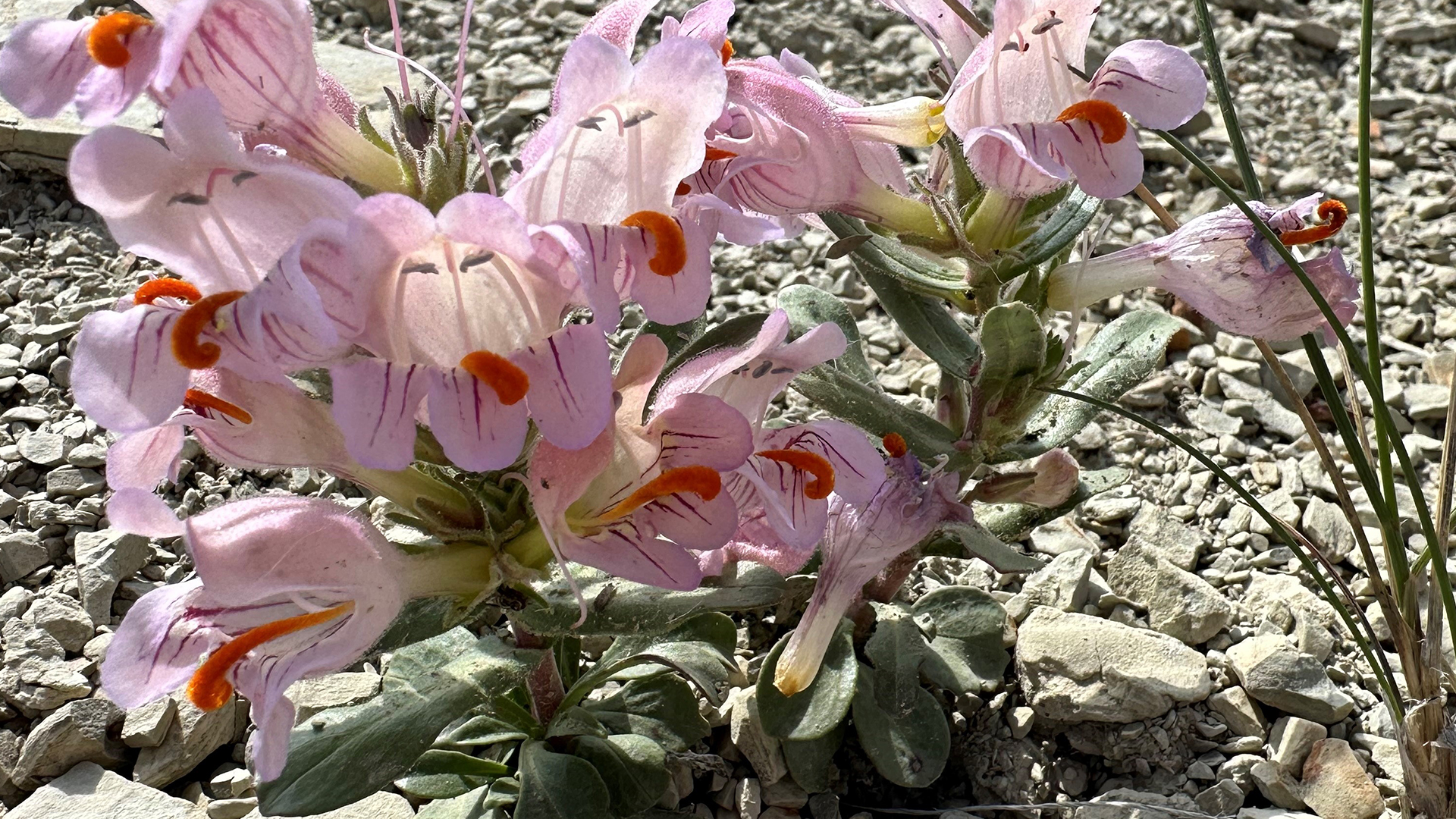
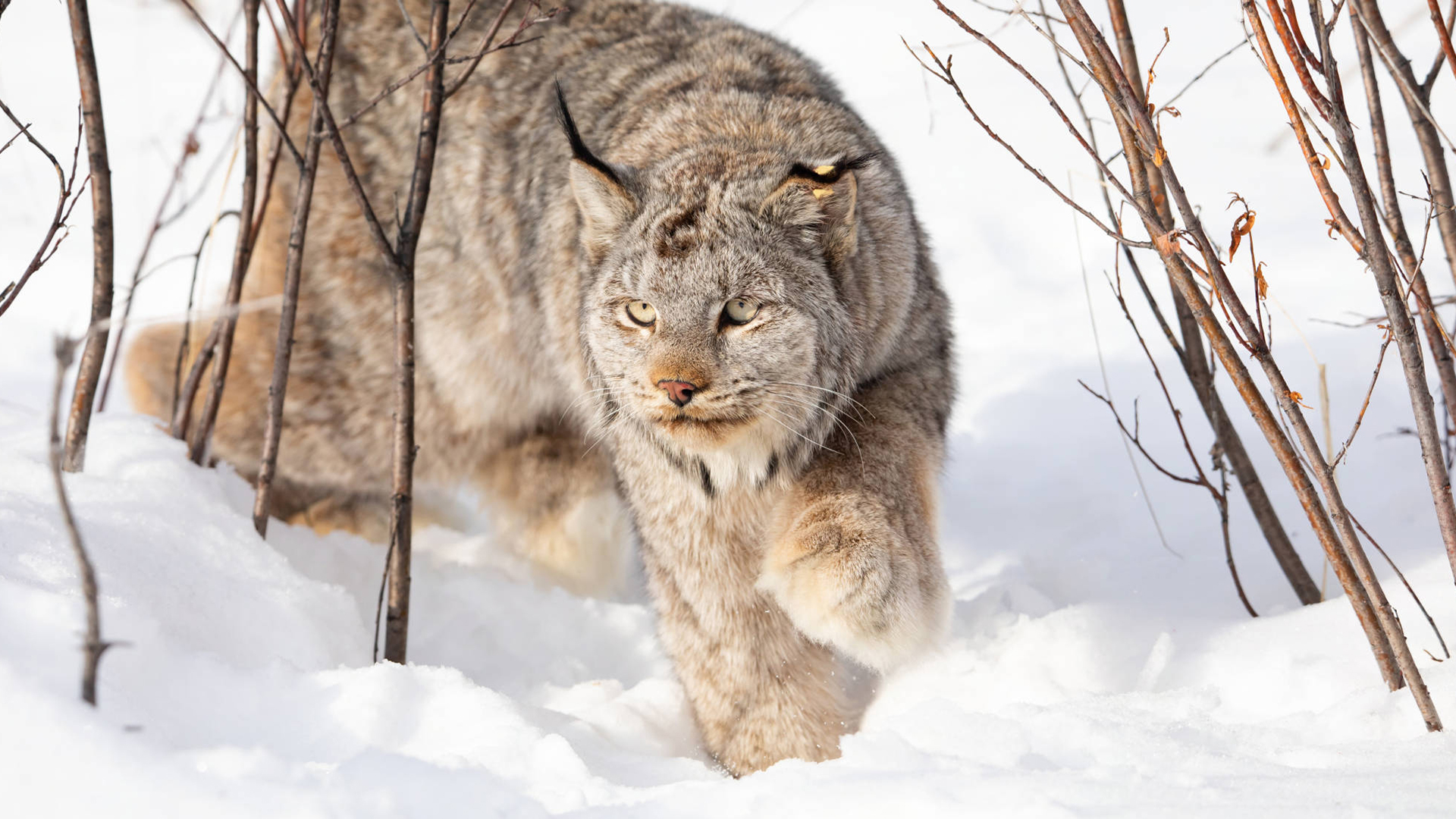
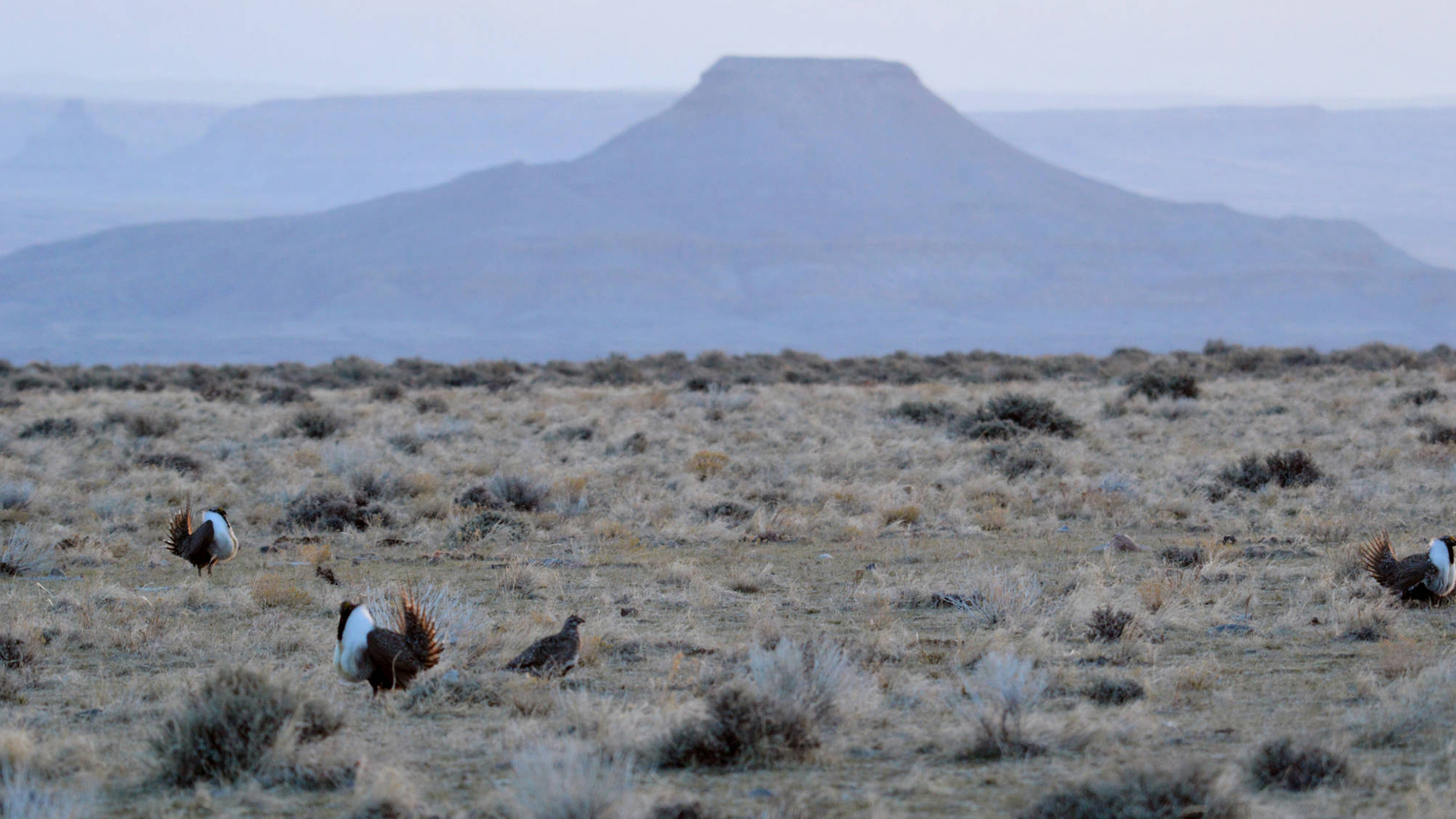
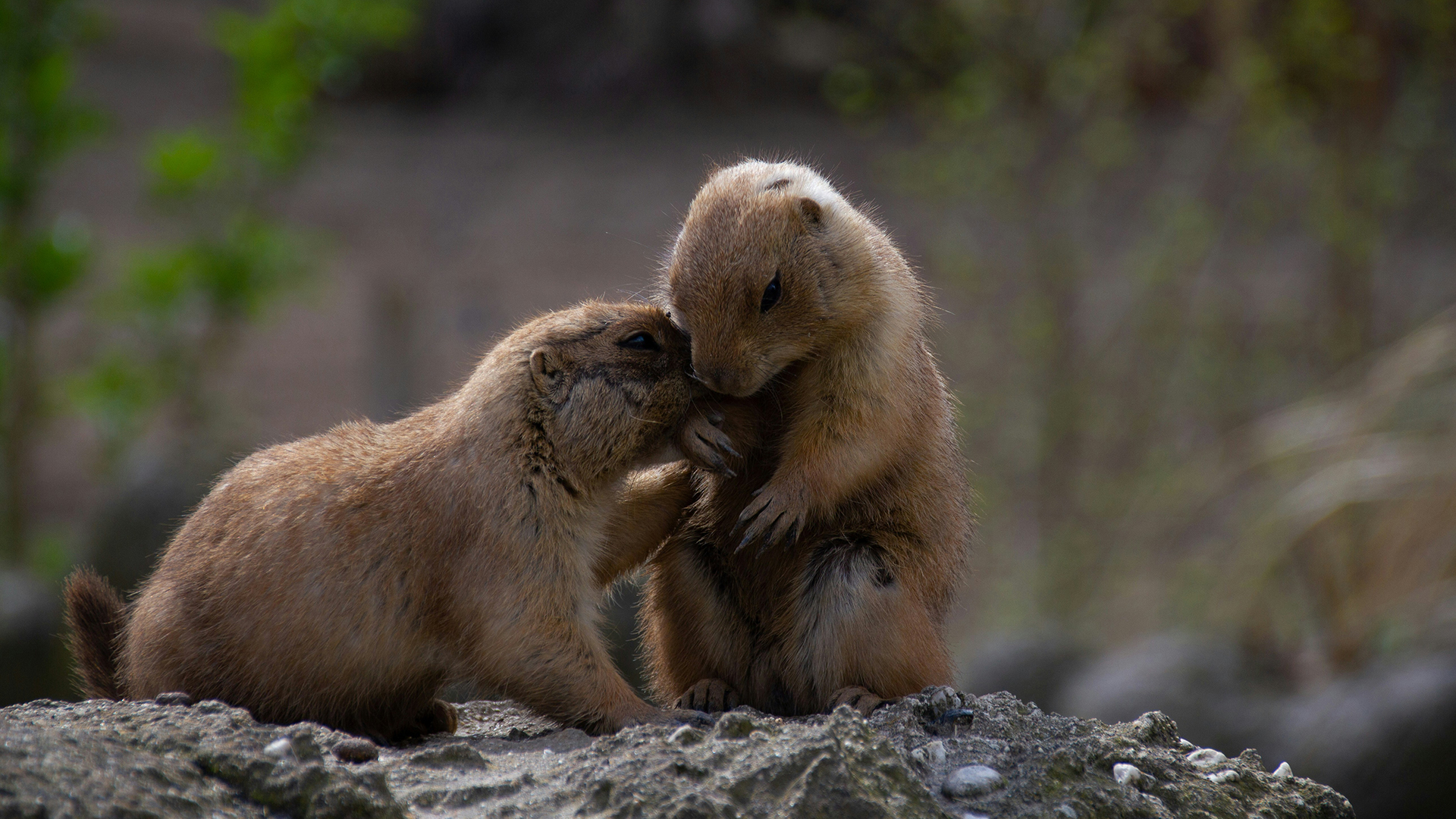
Our region is home to hundreds of species at risk of decline or extinction. We work to save and restore endangered, rare, and missing species.
We advance science-based, innovative, collaborative solutions for managing wildlife and biodiversity across the region to address threats like habitat loss, climate change, and disease. We partner with scientists, state and federal wildlife management professionals, policy leaders, and community scientists to advance science-based conservation strategies for our region’s wildlife and ecosystems.
Our latest projects and wins to protect and restore biodiversity

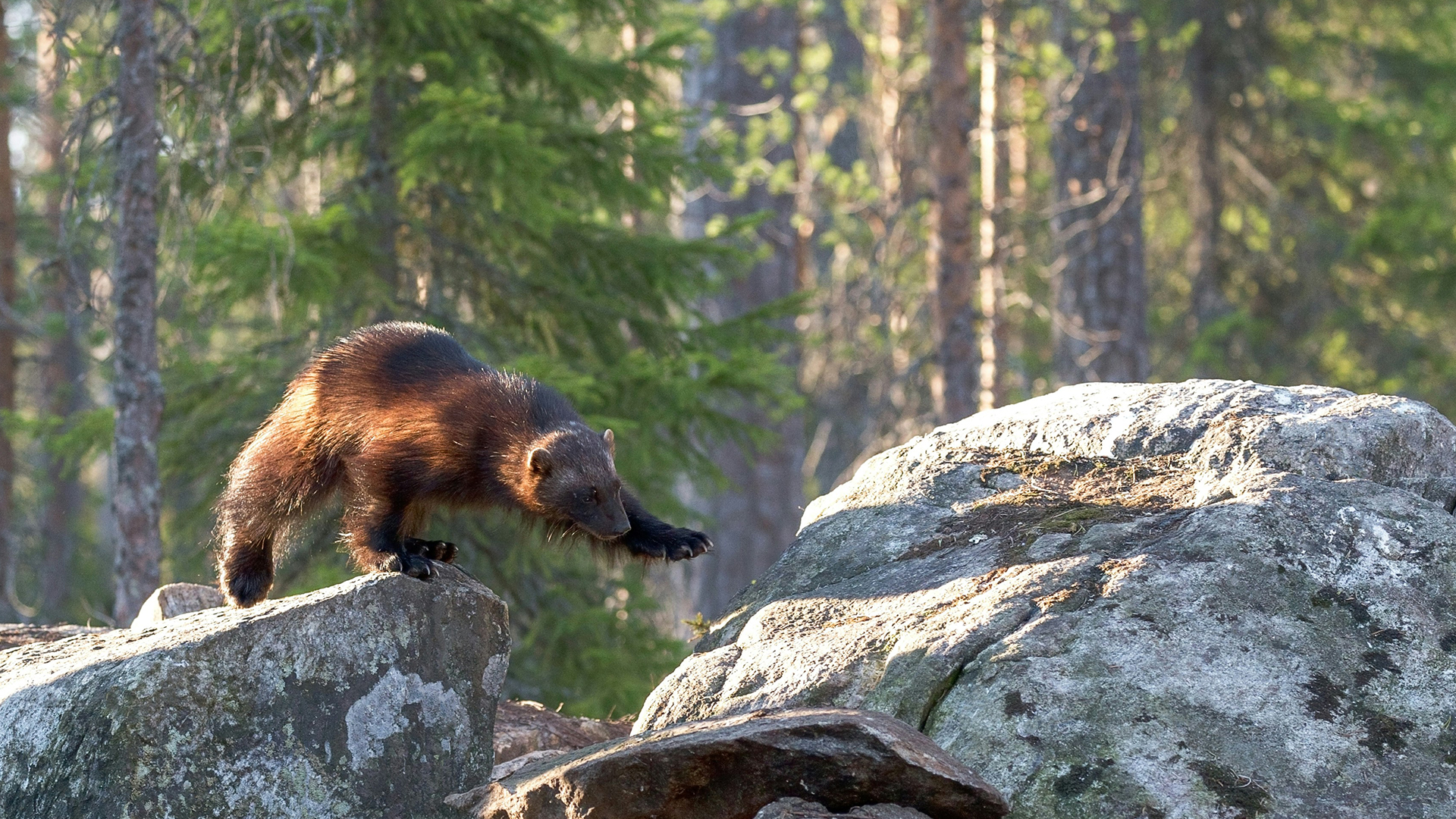
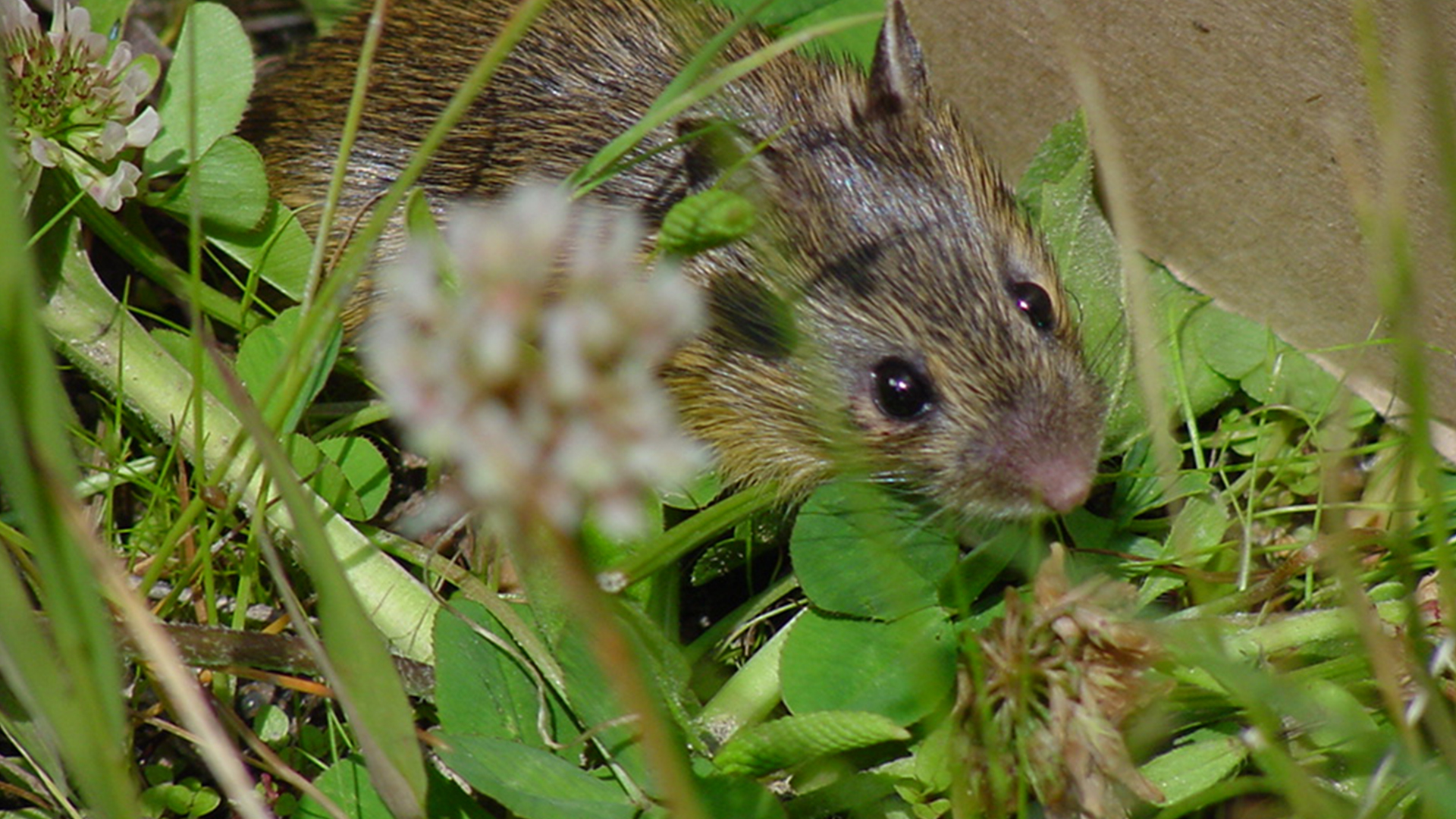
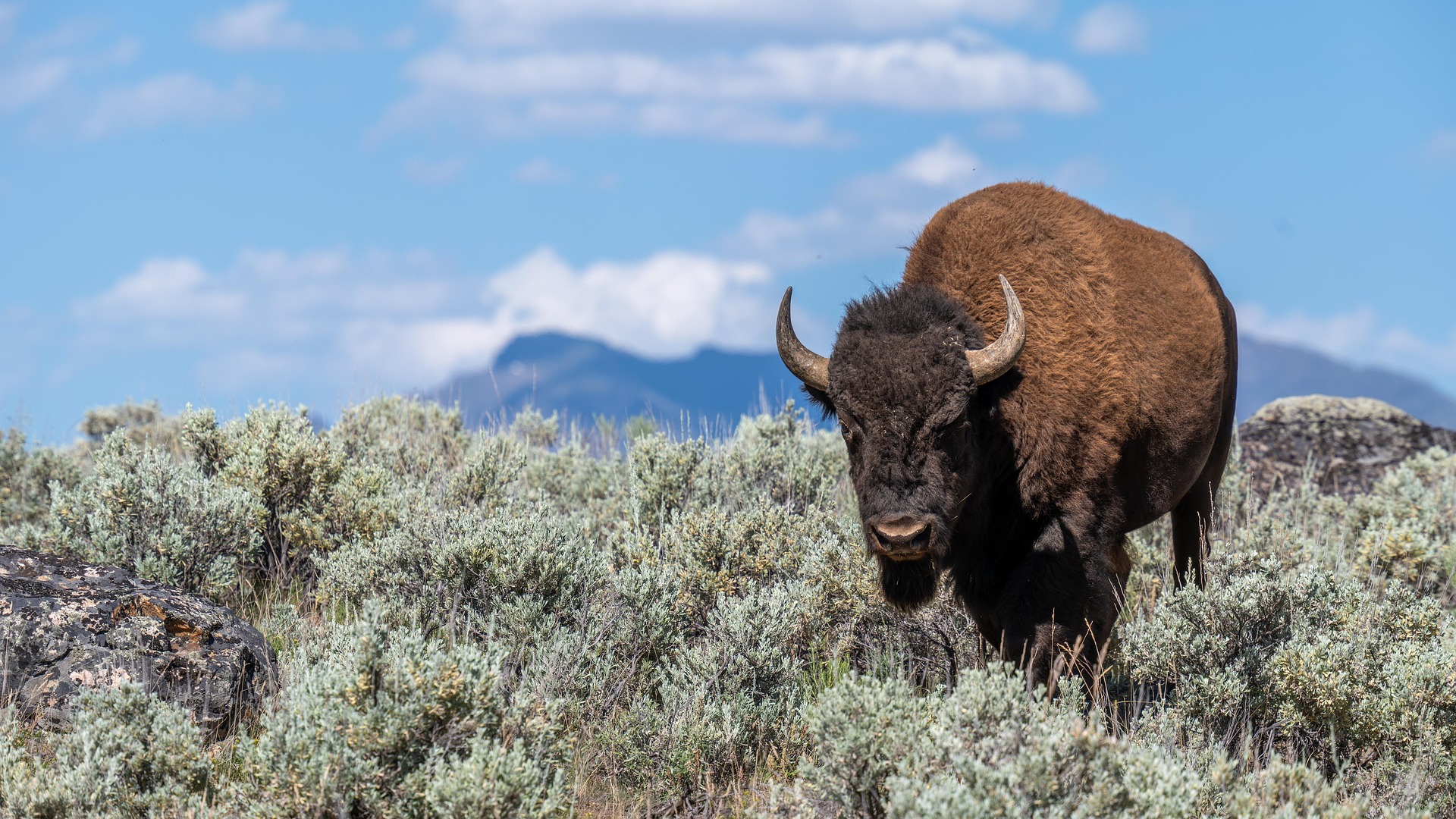
We address habitat fragmentation.
Habitat fragmentation is recognized as a primary cause of the decline of species worldwide. Fragmentation restricts wildlife movement and limits migration as well as other important daily, seasonal, and life needs. It can drive species to extinction. We address fragmentation by identifying and protecting key remaining habitats and restoring the linkages between them.
Our latest projects and wins to connect landscapes

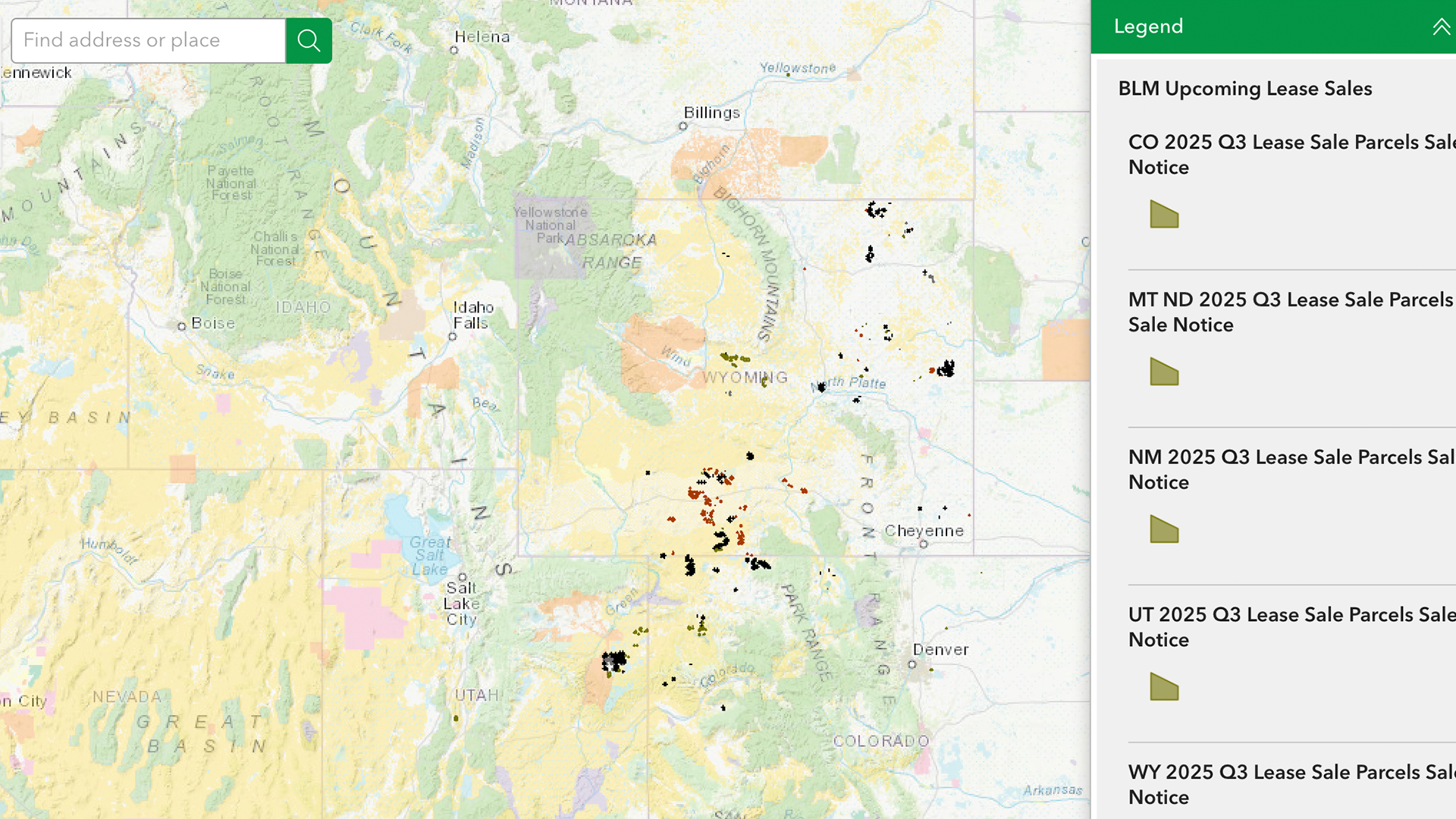
We screen oil and gas lease sales for wildlife and wilderness conflicts.
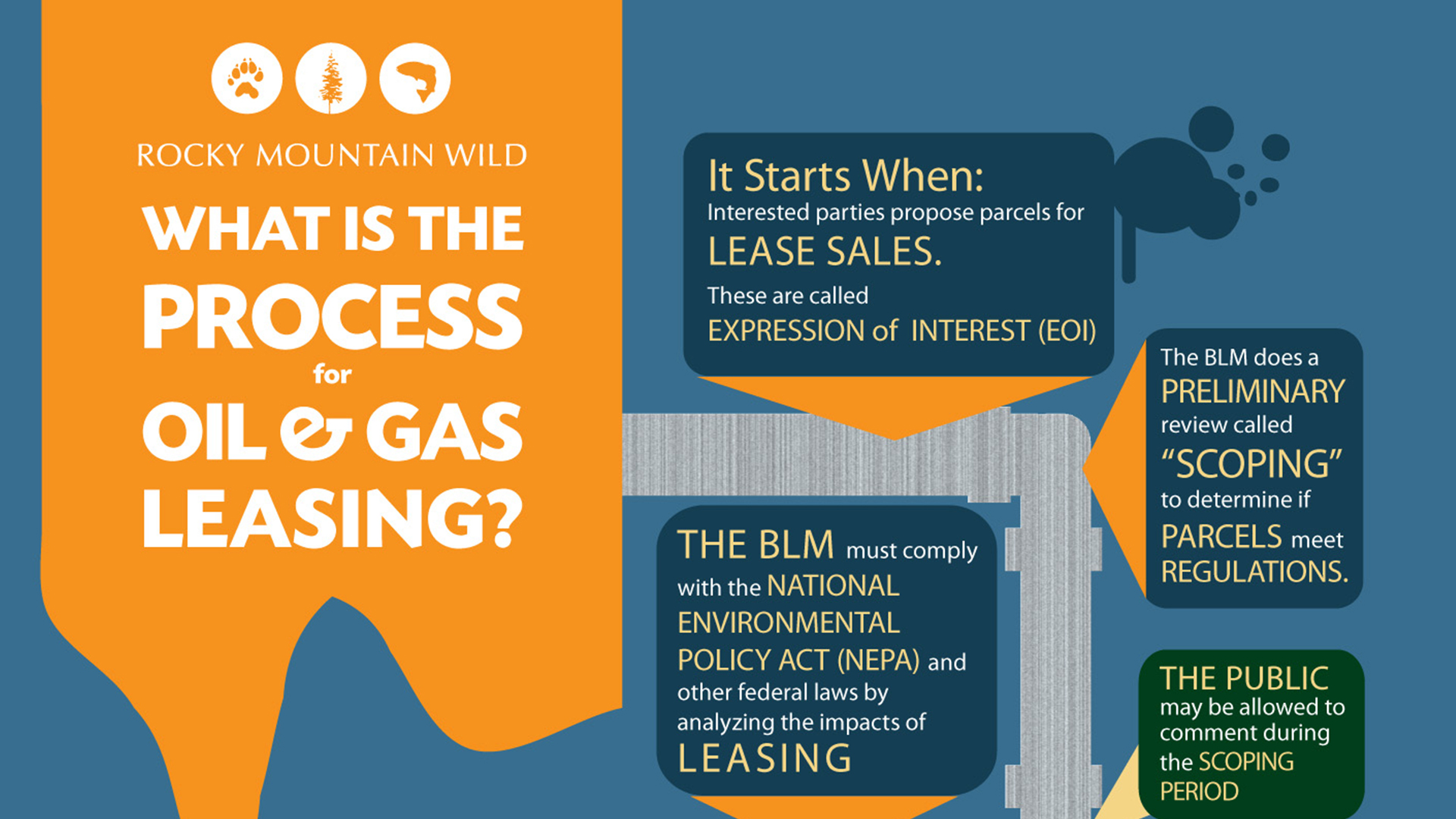
We work with a coalition of organizations around the Rocky Mountain West that monitors oil and gas leasing in Wyoming, New Mexico, Utah, Colorado, and Montana. Oil and gas development compromises our public lands and water, changes and fragments wildlife habitats, threatens irreplaceable cultural resources and sacred sites, and risks our health and outdoor legacy. We work to stop leasing that would harm wildlife and wild lands.
Our latest oil and gas monitoring projects

Support Our Work
Mission, vision, goals, and community
Our Mission
Rocky Mountain Wild works to protect, connect, and restore wildlife and wild lands in the Southern Rocky Mountain region.
Our Vision
We envision a biologically healthy future for our region – one that includes a diversity of species and ecosystems, thriving populations of wildlife, and a sustainable coexistence between people and nature. Using research, community science, legal action, and advanced geospatial analysis, we offer solutions for conserving our most at-risk animal and plant species and landscapes.
Our Organizational Goals
In order to achieve a biologically healthy future in our region, we must:
- Maintain the diversity and viability of species in our region, under both current and future conditions;
- Prevent species extinctions;
- Restore and maintain viable populations of key wildlife species;
- Protect a representative diversity of ecological communities;
- Restore and maintain a connected landscape for wildlife;
- Build public and political support for our mission through education, outreach, and advocacy.
Our Community
Protecting biodiversity is a BIG job, and we know that we can’t do it alone. We are actively building a diverse community of educators, students, activists, philanthropists, and community scientists to help us make our vision a reality. From providing guidance on our board of directors to helping us collect data in the field, our community makes our work possible – and fun.
Won’t you join us?
Because we are all in this together.
Header photo courtesy of Mark Menninger, USFS, public domain